Emergency Roof Repair in Mill Valley, CA
Mill Valley Roofing answers emergency roof repair calls the same day a storm hits, including after hours, because a roof leaking at midnight is soaking your insulation and drywall by morning. We tarp the breach, hand-seal the flashing, and stop the water before your insurance carrier gets involved. Call 6283135855 and we will tell you straight whether you need a tarp tonight or a repair tomorrow.
Call 6283135855What Emergency Roof Repair Involves
Emergency roof repair stops active water intrusion first and rebuilds the damaged assembly second. On a Mill Valley rooftop, that usually means emergency tarps over the breach, sealant at the flashing, and a plan for the permanent fix.
We run it as two jobs. Night one, we stop the water. After the weather clears, we tear off the failed section and rebuild it so it holds.
The roof types we meet on emergency calls
- Asphalt shingle roofs, where granule loss and wind uplift peel field shingles back and leave the underlayment exposed.
- Architectural shingle and three-tab shingle roofs, where one missing shingle lets water wick straight to the decking.
- Wood shake and cedar shake rooftops, where rot at the butt ends lets water seep into the roof deck.
- Slate, clay tile, and concrete tile roofs, where a cracked piece or a slipped course opens a path under its neighbors.
- Metal panel roofs, standing-seam panel and corrugated panel alike, where a backing-out screw leaves a hole that drips all winter.
- Low-slope sections under membrane, TPO, EPDM, or PVC membrane, where ponding water works a seam loose.
- Built-up roof and modified bitumen surfaces, where tar, bitumen, and roofing felt blister and split.
- Mansard, gambrel, and dormer sections, where the geometry changes and the flashing has to change with it.
Warning Signs You Need Emergency Roof Repair Tonight
Not every ceiling stain is a crisis. These are. Call 6283135855 and we will talk it through before you spend anything.
- A stain spreading across the ceiling after heavy winter rain, which means water already traveled through the sheathing.
- Granules collecting in the gutter and at the downspout, telling you the shingle above is losing its surface.
- A drip you can hear in the attic, or daylight visible at a rafter or joist.
- Sag at the eave or rake, which usually means rot in the fascia, soffit, or roof deck behind it.
- Ice dam buildup along the eave in a cold snap, where water backs up under the ice-and-water shield and finds a way in.
- Cracked, lifted, or missing chimney flashing, step flashing, or counter-flashing where the roof meets a wall.
- Ponding water on a flat section that still has not drained 48 hours after the storm passed.
How Our Emergency Roof Repair Process Works
- Call intake and triage. We ask about roof pitch, where the leak is showing inside, and whether anyone is unsafe. That decides whether we send a tarp crew or a repair crew.
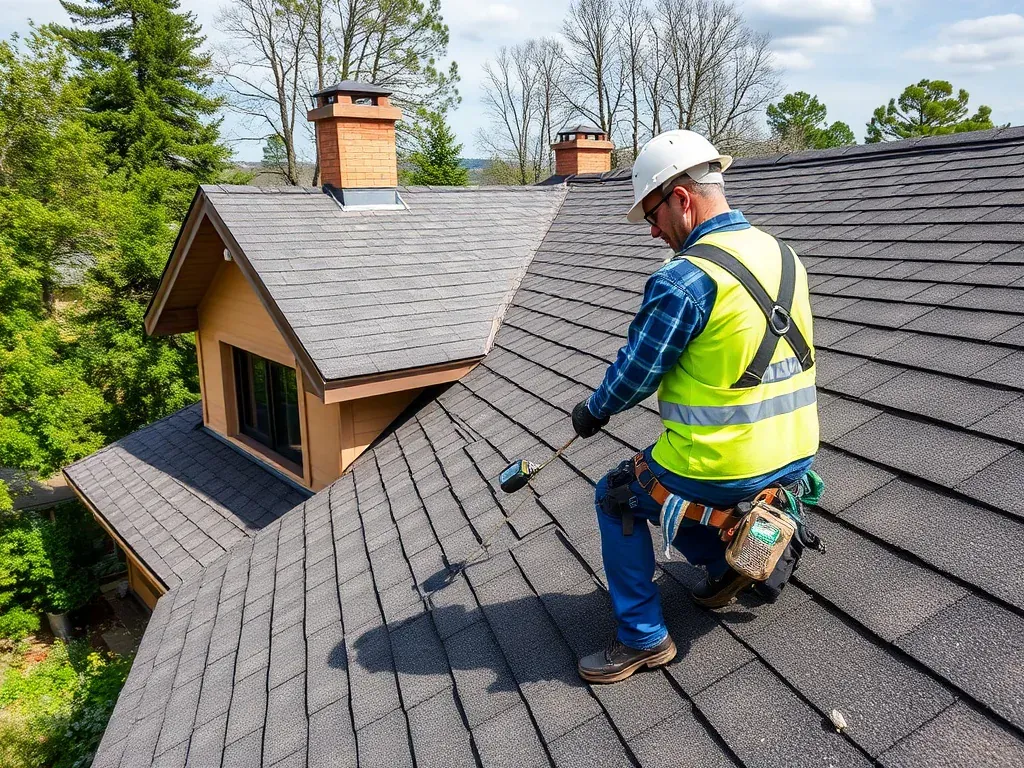
- On-site roof inspection. A roofer walks the roof with a ladder and safety harness, checks the substrate and decking, and photographs everything for the record.
- Emergency stabilization. We pull debris off the field, lay tarps, and hand-seal around the pipe boot, vent boot, and skylight so nothing gets wetter overnight.
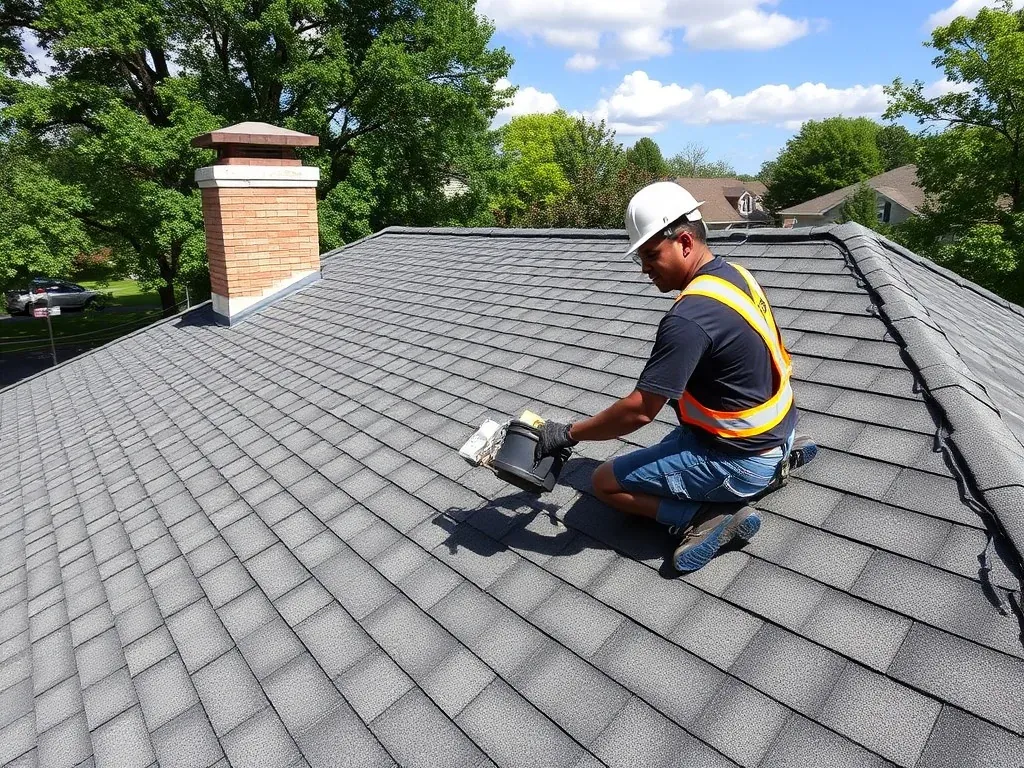
- Temporary waterproofing. Mastic, roof cement, and sealant go on the open flashing, and we reset loose fasteners until permanent work is scheduled.
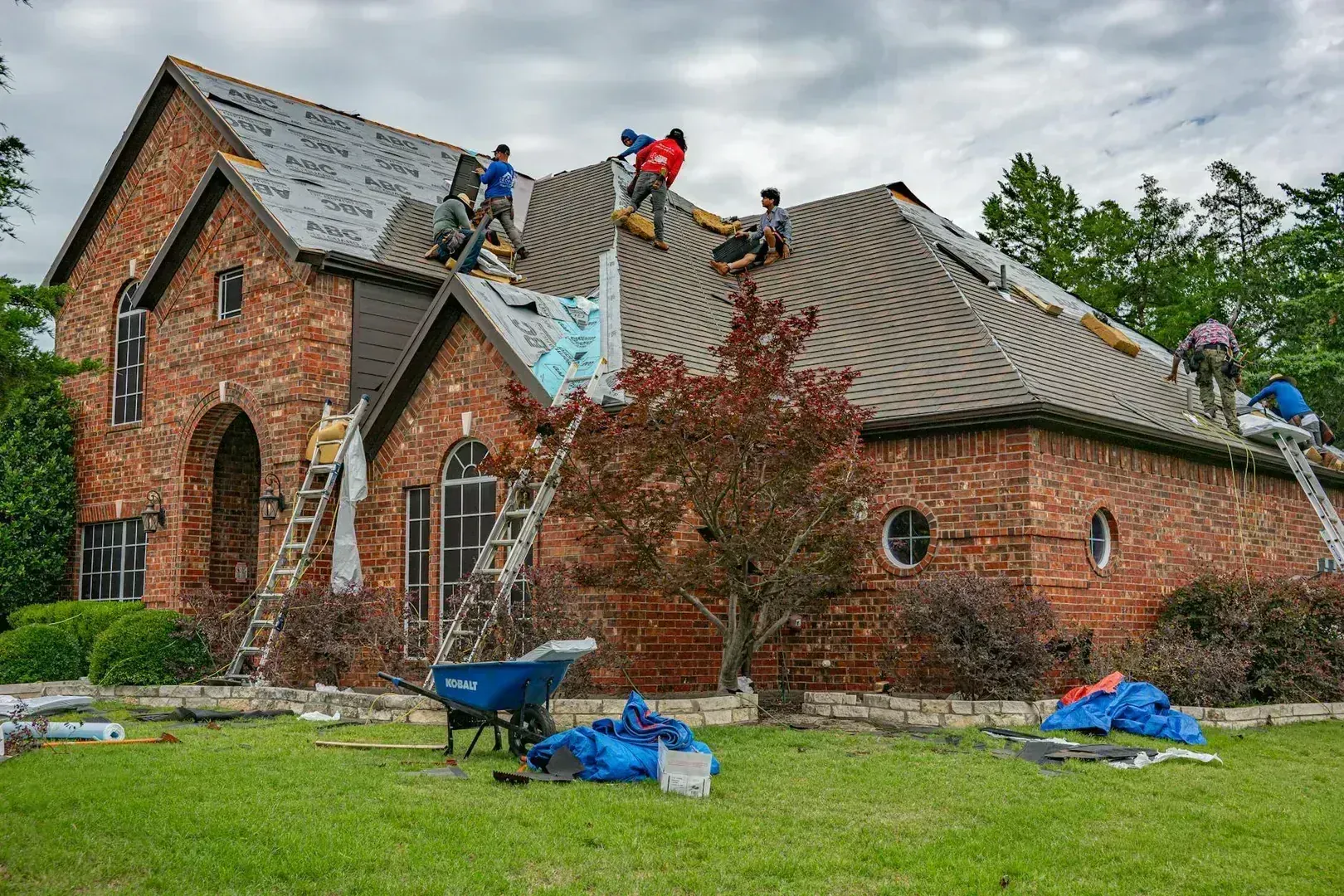
- Permanent repair or roof replacement. We tear off the damaged section, lay synthetic underlayment and ice-and-water shield at the eave, then rebuild staggered courses off a proper starter course.
- Cleanup and documentation. A dumpster gets set, the lawn gets swept, and you get photos plus a line-item roof estimate for anything still outstanding.
What Emergency Roof Repair Costs in Mill Valley
Cost depends on access, roof pitch, and how much decking has gone soft under the leak. Here is the honest shape of it.
- A same-day tarp and temporary seal typically runs a few hundred dollars, and we credit it toward the permanent repair.
- A focused repair, meaning a few replacement shingles, fresh sealant, and a new pipe boot, usually lands in the low four figures.
- Chimney flashing rebuilds and valley work cost more, because step flashing and counter-flashing take real detail time.
- Repairs that uncover rotted plywood, OSB, or sheathing add material and labor, and wet insulation behind it usually gets replaced too.
- Partial or full roof replacement is sometimes the honest answer, especially where the shingle shows end-of-life wear.
You get a written, line-item roof estimate before anyone starts. No guesswork, no invoice surprises.
Materials and Tradecraft We Use on Emergency Work
Emergency work is temporary in timing but not in standard. Here is what actually goes onto a Mill Valley roof during a call.
- Emergency tarps and reinforced sheeting to keep water off an open deck overnight.
- Synthetic underlayment, plus ice-and-water shield at the eave where a backup starts.
- Replacement shingles matched as closely as the manufacturer allows to your existing asphalt shingle, architectural shingle, or three-tab shingle.
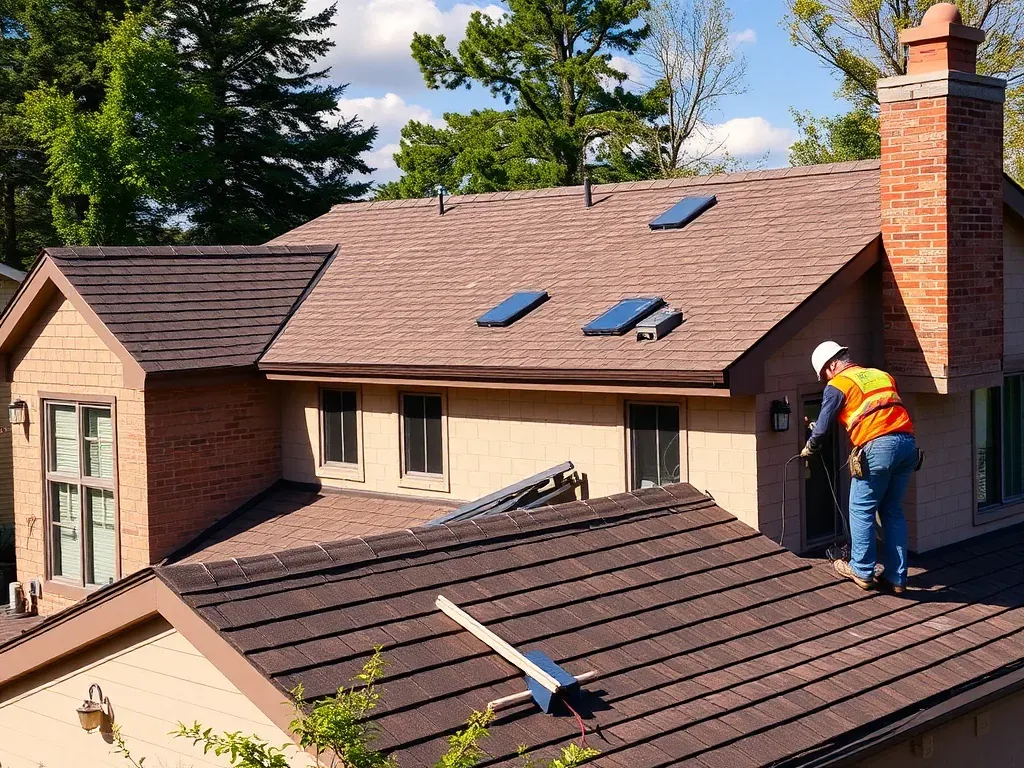
- Sealants, caulk, mastic, construction adhesive, and roof cement for hand-sealed detail at the pipe flashing, boot flashing, and apron flashing.
- Self-adhered membrane in the valley, where two roof planes meet and chronic leaks begin.
- Ring-shank nails and the right fastener length for the sheathing thickness, checked by hand for overdriven heads.
- New drip edge at the eave and rake wherever the old metal has bent or rusted through.
- A fresh ridge cap and ridge vent when the ridge has lost its seal and attic ventilation has stopped pulling.
Insurance Claims, Warranty, and Building Code
Storm damage repair usually starts as an insurance job, and the paperwork matters as much as the shingles. We document the storm date, photograph the damage, and meet the adjuster inspection with you.
- We write the roof estimate in the line-item format carriers expect, and we walk the insurance scope with you before you sign anything.
- If the carrier's scope misses visible damage, we file a supplemental claim with photos and measurements attached.
- We help with the proof of loss form and watch the claim deadline so nothing lapses.
- We work in Marin County, so everything follows local building code and Title 24 requirements on the assemblies we touch.
- Every repair carries our workmanship warranty. If a repair we made fails, we come back.
Why Mill Valley Roofs Call Us at Night
Frequent coastal fog and morning moisture keep roofs damp hours longer than inland. Then winter atmospheric rivers drop rain in short, hard bursts that overwhelm a tired flashing in a single night.
Mild temperatures mean almost no snow load, so damage here is water, not weight. That is why we look at drainage before anything else.
- Fog-driven moisture finds small gaps at the vent boot and pipe boot and starts the rot cycle quietly.
- Driving Pacific storms push rain sideways into the chimney flashing and counter-flashing.
- Low-slope sections off the overhang pond long enough for the coating to flake and peel at the seams.
- Clogged gutter and downspout debris backs water up under the eave until the fascia softens.
- A soffit vent or attic fan that stops moving air lets the roof deck stay wet from underneath.
Roof Geometry and Framing We Check Before We Patch
Leaks follow geometry. Where a roof changes shape, at a hip, a gable, a verge, or a dormer, the flashing has to change with it.
- Under the shingles we check the truss, rafter, joist, and ridge beam for sag or decay that would make a patch pointless.
- Purlin, batten, and counterbatten spacing shows how the roof was framed and where water will pool once it fails.
- A parapet cap, coping, and scupper all have to drain; when they do not, water sits on the rooftop and erodes the membrane.
- A snow guard goes on where sliding snow off a metal panel could hit a lower roofline, canopy, awning, or overhang.
- A vapor barrier installed wrong traps moisture inside the assembly, so we check it before closing anything up.
- Waterproofing and weatherproofing at every penetration, chimney, skylight, and vent boot included, get the same review.
Steep-slope work means a ladder, a scaffold section, and a safety harness on a real anchor. Flat work means a roofing shovel for stuck felt and tar paper, a pry bar, and a torch for heat-welding seams. A roofing square and a nail gun on an air compressor ride along either way.
Emergency Roof Repair Questions We Get Most
How fast can you get to my house?
Emergency roof repair scheduling runs on storm volume, so timing depends on how many calls are live at once. We answer the phone after hours, triage by severity, and tell you honestly whether you need a tarp tonight or an appointment tomorrow.
Should I tarp it myself?
Emergency roof repair attempted from a ladder in the rain is how homeowners get hurt. Wet shingles, steep pitch, and nothing solid to anchor to are a bad combination.
What if you find rot under the shingles?
Emergency roof repair sometimes uncovers decay nobody could see until the shingles came off. We show you the plywood or OSB, photograph it, and add the sheathing to the estimate as a written change before we replace it.
What's Included
- A full roof inspection of the damaged area, including the roof deck, sheathing, and the attic side, with photos you keep.
- Emergency tarps and temporary weatherproofing set during the first visit, before any permanent work is quoted.
- Replacement shingles matched as closely as the manufacturer allows to your existing asphalt shingle, architectural shingle, or three-tab shingle.
- New pipe boot, vent boot, and fresh sealant at every flashing penetration we open.
- Debris hauled off in a dumpster and the driveway swept for nails before we leave.
- A written line-item roof estimate for the permanent repair, with no obligation to book it.
- Insurance claim assistance: photos, measurements, storm date, and a scope your adjuster can work from.
- Our workmanship warranty on the repair we complete, in writing.
Our Emergency Roof Repair Process
- Phone triage. We ask about roof pitch, where the water is showing inside, and whether the building is safe to occupy. That tells us whether to send a tarp crew or a repair crew.
- On-site roof inspection. A roofer walks the roof with a ladder and safety harness, checks the substrate and decking, and photographs the failure for your records.
- Emergency stabilization. We clear debris, lay emergency tarps, and hand-seal around the pipe boot, vent boot, chimney flashing, and skylight.
- Temporary repair. Mastic, roof cement, and sealant go on the open flashing, and we reset fasteners and reseal whatever will hold until permanent work is scheduled.
- Permanent repair or roof replacement. We tear off the damaged section, install synthetic underlayment and ice-and-water shield at the eave, and rebuild staggered courses off a proper starter course.
- Cleanup and documentation. The dumpster leaves the site, the lawn gets swept, and a line-item roof estimate plus photos land in your inbox the same week.
Signs You Need Emergency Roof Repair
Signs You Need Emergency Roof Repair Tonight
- Water staining spreading across a ceiling after a winter atmospheric river, which means the roof deck is already wet.
- Granule loss washing into the gutter and downspout, a clear signal the shingle above is at end-of-life wear.
- A drip you can hear from the attic, or daylight showing at a rafter, joist, or ridge beam.
- Curled, peeled, or missing shingles after a wind event, leaving the underlayment exposed to the next storm.
- Sag along the eave or rake, which usually points to rot in the fascia, soffit, or sheathing behind it.
- Ice dam formation at the eave during a cold snap, where meltwater backs up under the ice-and-water shield.
- Cracked or pulled chimney flashing, step flashing, or counter-flashing where the roof meets a sidewall.
- Ponding water still sitting on a flat section two days after the rain stopped.
Don't just take our word for it — hear from our satisfied customers.
"Water was running down the inside of our chimney chase after a January storm. Mill Valley Roofing had a tarp on the roof that evening and rebuilt the chimney flashing two days later. They photographed everything for our adjuster." — Dana R., Homestead Valley
"We had ponding water on a flat section over the garage and two other roofers just quoted a full replacement. These folks found a failed membrane seam, repaired it, and recoated. That was three winters ago." — Marcus T., Strawberry
"A branch came down near Muir Beach and punched through the roof deck. They covered it the same night, replaced the sheathing and shingles once the storm passed, and swept every nail out of the driveway." — Priya S., Muir Beach
Ready to get started? Call us today at 6283135855 for a free estimate.
Free estimates · Licensed & Insured certified · up to 50-year warranty
Call 6283135855