Insurance Claim Assistance in Mill Valley, CA
Mill Valley Roofing documents roof damage before anyone repairs it, so your insurance claim is backed by photographs, measurements, and a scope of work your adjuster can actually approve. We tarp a leaking roof the same day, then build the claim documentation that survives review. Call 6283135855 and we will walk your policy coverage line by line.
Call 6283135855What Insurance Claim Assistance Actually Does for Your Roof
An insurance claim on a roof is a paperwork contest as much as a construction job. Carriers start from a position of doubt, so our work is replacing that doubt with measurements, photos, and numbers.
Here is what claim documentation includes when we build it from scratch:
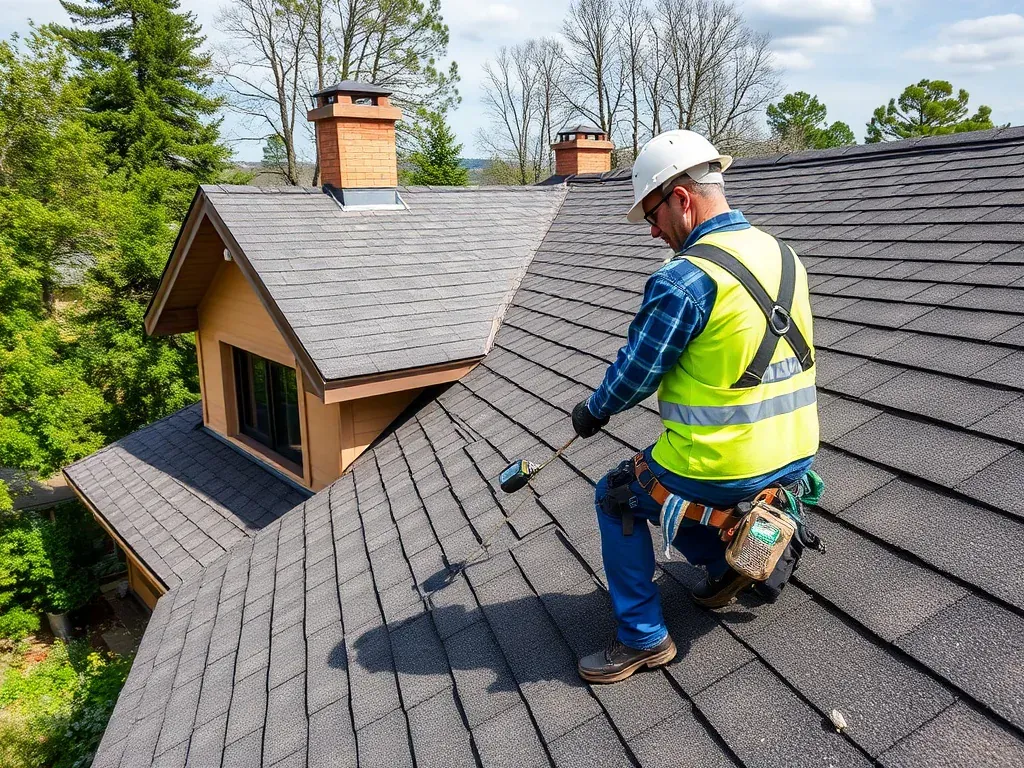
- A roof inspection logged slope by slope, so the adjuster sees the same roof, roofline, and rooftop conditions we do.
- Xactimate scope documentation that prices each line item the way the carrier's own software expects to read it.
- Drone photo packages covering chimneys, dormers, and second-story sections a ladder should never reach.
- ITEL shingle sampling when the old shingles are discontinued, which proves a color and profile match instead of arguing about one.
- A proof of loss form drafted with you, not for you, before the filing window closes.
- Mitigation records, meaning the tarp photos and drying notes that separate a covered loss from a maintenance complaint.
How Wind Damage and Hail Damage Move Through a Claim
Storm damage claims in this county follow a predictable order: inspection, first payment, repairs, then the depreciation release. Knowing that order tells you exactly where money gets stuck.
- Wind damage usually shows as missing shingle tabs, a lifted ridge cap, and fasteners pulled through the sheathing.
- Hail damage on an asphalt shingle reads as a bruised mat and granule loss, best found by hand along the rake after the storm date.
- Your deductible comes off the first payment and is set by policy coverage, not by the roofing contractor.
- The supplement phase is where homeowners lose money, because carriers routinely under-scope flashing, underlayment, and ventilation on the first pass.
- Depreciation is held back at first payment and released at replacement cost once the work is finished and invoiced.
The Parts of Your Roof an Adjuster Actually Inspects
We document a roof the way a carrier reads it, component by component. A vague estimate invites a vague settlement, and that costs you real money.
- Drip edge along every eave and rake, plus the fascia and soffit behind it, where water stains appear first.
- Ridge cap, ridge vent, and the ridge beam beneath, since a lifted cap is the clearest wind damage evidence there is.
- Step flashing at sidewalls, counter-flashing at the chimney, and pipe flashing or a pipe boot at each penetration.
- Valley and hip sections, where two planes meet and the ice-and-water shield takes the most stress.
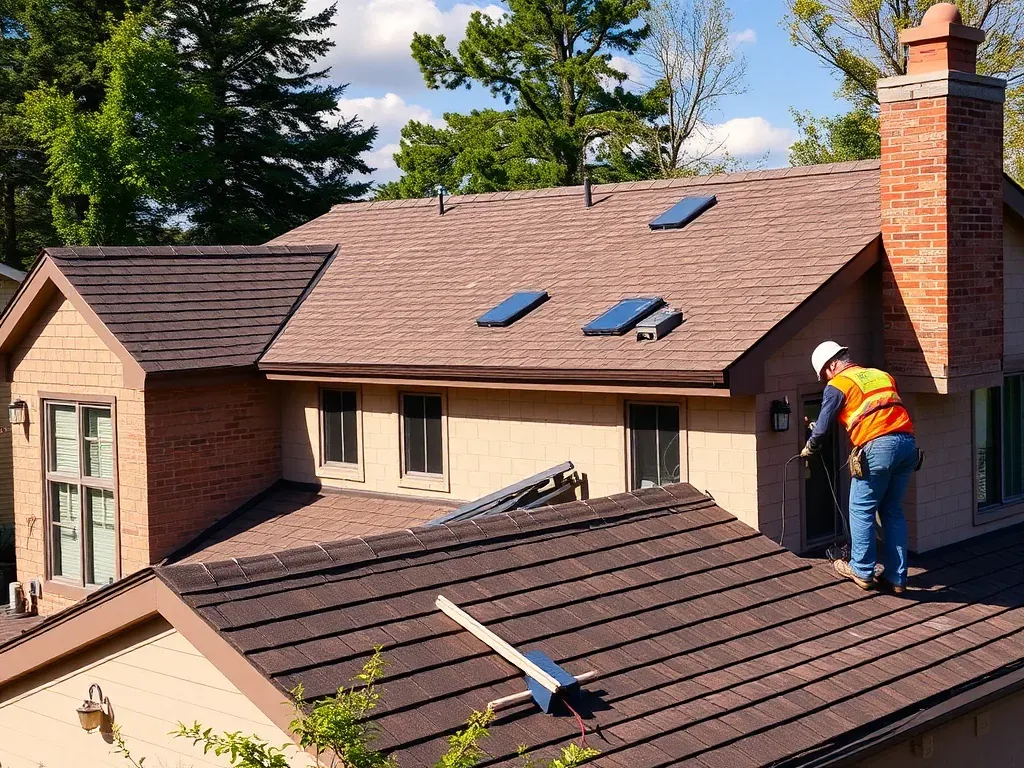
- Skylight curbs, dormer walls, and mansard or gambrel transitions, where flashing fails quietly for years.
- Parapet, scupper, and coping on flat sections, where ponding water and debris collect after heavy rain.
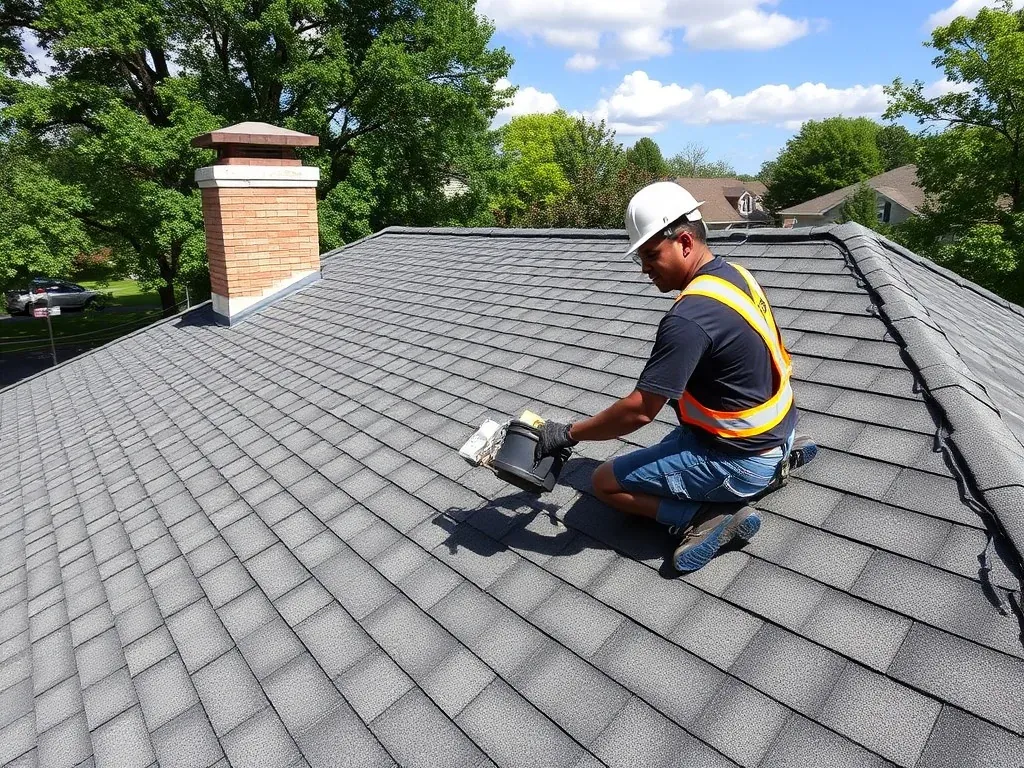
- Vent boot and apron flashing on plumbing stacks, plus mastic and roof cement left behind by an earlier patch job.
- Snow guard and roof anchor fasteners, which are common penetration points on a steep pitch.
- Gable end, verge, and overhang edges, where an awning or canopy bracket creates both a wind catch and a fastening point.
Then we check what sits under the surface, because that is where a claim is won or lost:
- Roof deck and substrate: plywood, OSB, or older board sheathing, checked for moisture content and rot.
- Truss, rafter, joist, and purlin framing, which tells us whether a sag is roofing work or structural work.
- Battens and counterbattens under slate or clay tile, since the counterbatten drains the plane above the underlayment.
- Underlayment and synthetic underlayment, which should be replaced on any section the carrier has already opened.
- Ice-and-water shield at the eaves and valleys, the layer that matters most after an ice dam winter.
- Vapor barrier and attic insulation, both checked for water intrusion after a long, slow leak.
- Ventilation balance: soffit vent, ridge vent, and attic fan, because trapped moisture speeds decay in the sheathing.
- Gutter and downspout runs, which carry water away from the roofline and the foundation.
Materials a Claim Scope Should Cover
What gets paid depends on proving a like-kind match and a defensible labor line. These are the systems we price and fight for.
- Architectural shingle is the like-kind replacement for most homes here, and we match exposure and color rather than profile alone.
- Three-tab shingle is cheaper per square but rarely matches a weathered roof, so carriers often owe an upgrade instead of a patch.
- Wood shake and cedar shake need a shake-specific scope, because default shingle pricing badly undercounts the labor.
- Slate, clay tile, and concrete tile repairs start with the substrate, since the tile outlives the decking underneath it.
- Metal panel and standing-seam panel claims turn on whether a dent is cosmetic or a fastener has failed.
- Corrugated panel on an outbuilding is usually repaired rather than replaced, which changes the depreciation math.
- A membrane roof, whether TPO, EPDM, or PVC membrane, is priced by square footage, seam condition, and wet insulation.
- Built-up roof and modified bitumen systems are often recoverable with a repair coat rather than a full tear-off.
- Roofing felt and tar paper still show up on older decks, and whether they are salvageable moves the labor line.
What Insurance Claim Assistance Costs Mill Valley Homeowners
Most carriers pay for the repair, not the paperwork, so the honest question is what comes out of your own pocket. Usually it is the deductible, plus whatever your policy excludes.
- Your deductible, subtracted from the first payment before any work begins.
- Depreciation, held back until the job is complete and invoiced at replacement cost.
- Whether the adjuster approves a repair, a recover, or a full roof replacement, which changes the number entirely.
- Whether the scope includes synthetic underlayment, ice-and-water shield, and new step flashing, three items many initial estimates omit.
- Whether county building code requires bringing ventilation or decking up to current standards during the work.
- Emergency mitigation such as a tarp, which is often reimbursable but only if it was documented at the time.
Local Conditions That Drive Claims Around Mount Tamalpais
Coastal fog and morning moisture, heavy winter rain, and mild temperatures with almost no snow add up to one specific pattern of roof wear. We see it on the same streets, storm after storm.
- Fog-driven moisture wicks into the sheathing all winter, which means rot shows up before a leak ever does.
- Atmospheric river storms drive rain sideways into step flashing and counter-flashing, where most winter claims begin.
- Tree cover near Muir Woods National Monument and the Golden Gate National Recreation Area drops needles that clog the gutter and dam water at the eave.
- On a cold snap, ice dam removal is sometimes done with steam, because a steam ice rig clears the ice dam without chipping the shingle.
- Low snowfall risk means we rarely price snow load, but wind uplift on an exposed ridge is a genuine exposure here.
- Steep lots in Alto, Cascade, Homestead Valley, Muir Beach, and Strawberry often need scaffold or a safety harness instead of ladders, which adds labor to the scope.
Energy Efficiency, Green Roofing, and Roof Maintenance Tips
Sustainability in roofing usually starts with what you do not tear off. A few decisions here cut both energy bills and long-term repair costs.
- A cool-rated architectural shingle reflects heat and lowers attic temperature, the simplest energy efficiency win available.
- Balanced ventilation, a ridge vent paired with soffit vents, keeps the attic dry and slows shingle decay from below.
- A reflective coating over a built-up roof or modified bitumen is legitimate green roofing when a full tear-off is not warranted yet.
- Recycling old asphalt shingle keeps a few tons of debris out of landfill, and some crews now sort materials on site.
- Clear the gutter and downspout each fall, since backed-up water under the eave is the most avoidable claim we see.
- Binocular-check the ridge and valley every spring for granule loss, shingle curl, and sealant that has already started to peel.
- Keep a dated folder of every leak, drip, and repair, because a documented history makes a later insurance claim far easier to prove.
Frequently Asked Questions About Insurance Claim Assistance
How long does insurance claim assistance take from start to finish?
Insurance claim assistance typically moves in stages. The roof inspection and estimate take a few days, the adjuster meeting often happens within a week or two, and the depreciation release arrives after the work is invoiced and inspected.
What if my claim was already denied?
Insurance claim assistance does not end at a denial letter. We can reopen a file with a second roof inspection, better hail damage and wind damage documentation, and a written supplement that answers the specific reason the carrier gave for denying it.
Will filing a claim raise my premium?
Insurance claim assistance cannot answer that for you, because premium rules vary by carrier and by policy. What we can do is document the storm date, the damage, and the repair so the loss is clearly weather-related rather than maintenance-related.
Do I have to use the contractor my adjuster recommends?
Insurance claim assistance works alongside any licensed contractor, and you choose who does the work. We are happy to meet your adjuster on the rooftop and read the scope of work aloud, line by line, so nothing gets missed.
What's Included
- A full roof inspection with a written damage map, photographed slope by slope and attached to your claim documentation.
- Drone photo packages of the roofline, chimney, dormers, and any second-story area that is unsafe to walk.
- Xactimate scope documentation that matches the pricing format your adjuster already uses.
- ITEL shingle sampling when the existing shingle is discontinued, so a color and profile match is proven rather than assumed.
- On-site adjuster meeting, where we walk the roof with them and point out wind damage, hail damage, and failed flashing directly.
- Supplement filing when the first scope omits underlayment, ice-and-water shield, step flashing, or ventilation.
- Emergency mitigation with a tarp and debris cleanup, documented for reimbursement.
- A final invoicing package that releases your depreciation at replacement cost once the roof passes inspection.
Our Insurance Claim Assistance Process
- Emergency call and tarp. We secure the roof first, photograph the mitigation work, and note the storm date, because a tarp that goes up undocumented usually goes unreimbursed.
- Roof inspection and damage map. We walk the roof with a ladder and, on steep lots, scaffold and a safety harness. A drone photo package covers the rest, and we pull ITEL shingle sampling if the old shingles are discontinued. When cause of loss is disputed, a HAAG-certified inspector's report carries more weight than ours alone.
- Scope of work and estimate. We build a line-item estimate in Xactimate and hand it to you before it goes to the carrier, so there are no surprises about what is included.
- Adjuster meeting. We meet the adjuster on the roof, not in the driveway. Rooftop evidence beats a photographed ceiling stain every time.
- Supplement and proof of loss. If the initial scope is short, we file a supplement with supporting measurements. We help you complete the proof of loss form before the deadline on your policy.
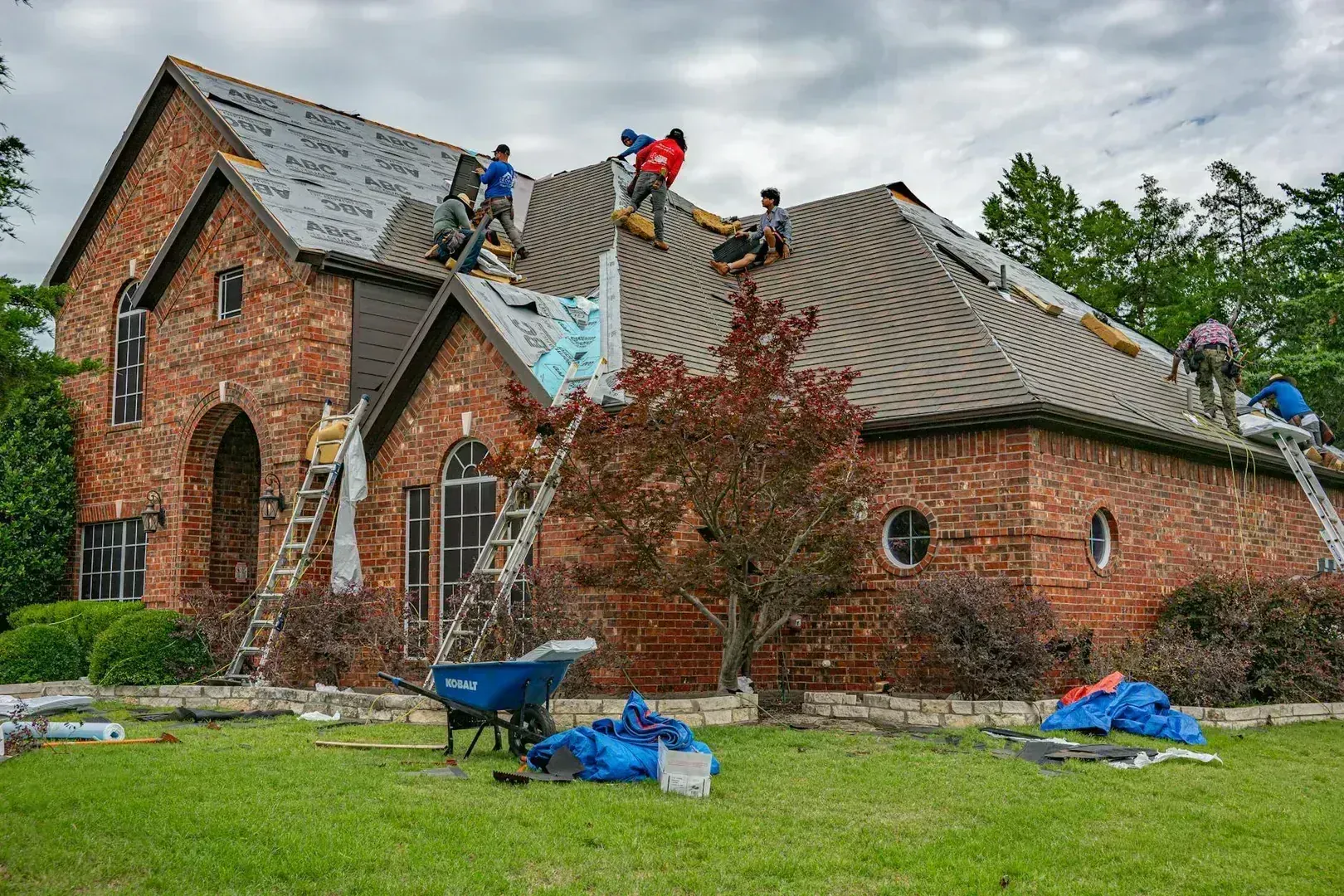
- Install and depreciation release. Crews work with a roofing square and pry bar on the tear-off, a nail gun and air compressor on the field course, with sealant, caulk, and adhesive for hand-sealed details. A dumpster stages on the driveway, and we sweep for fasteners and debris after the last load. The final invoice releases your depreciation.
Signs You Need Insurance Claim Assistance
Signs You Need Insurance Claim Assistance, Not Just a Repair
- Dark streaks and granule loss in the gutter after a winter atmospheric river, which usually means the mat is older than the roof looks.
- Missing shingle tabs or a lifted ridge cap after a wind event, the fastest wind damage claim to document while the evidence is fresh.
- Water stains on the ceiling or a damp soffit after fog-heavy mornings, a sign moisture is wicking along the decking.
- An ice dam forming at the eave during a cold snap, holding meltwater against the ice-and-water shield for days.
- Hail bruising, soft spots in the shingle mat, that you cannot see from the ground but your adjuster can feel by hand.
- Blistered, peeling, or flaking coating on a flat or modified bitumen roof, along with ponding water hours after rain stops.
- A tarp that has been on the roof for months, which carriers read as a chronic problem rather than a single storm loss.
- A denial letter, or a settlement check well below your roofer's estimate, which is a supplement waiting to be written.
Don't just take our word for it — hear from our satisfied customers.
"We got a denial letter in March and assumed that was the end of it. They re-inspected the roof, found hail damage the first adjuster missed, and filed a supplement. The depreciation was released two weeks after the work finished." — Dana R., Homestead Valley
"A tarp went up the same night the storm hit, and every photo of that tarp ended up in our claim file. That is the only reason the mitigation got reimbursed. They walked the roof with our adjuster and read the scope out loud." — Marcus T., Strawberry
"Our cedar shake roof got priced like asphalt shingles on the first scope. Their estimate came in with the shake-specific labor line, and the supplement covered the difference. No pressure, just numbers." — Priya S., Cascade
Ready to get started? Call us today at 6283135855 for a free estimate.
Free estimates · Licensed & Insured certified · up to 50-year warranty
Call 6283135855