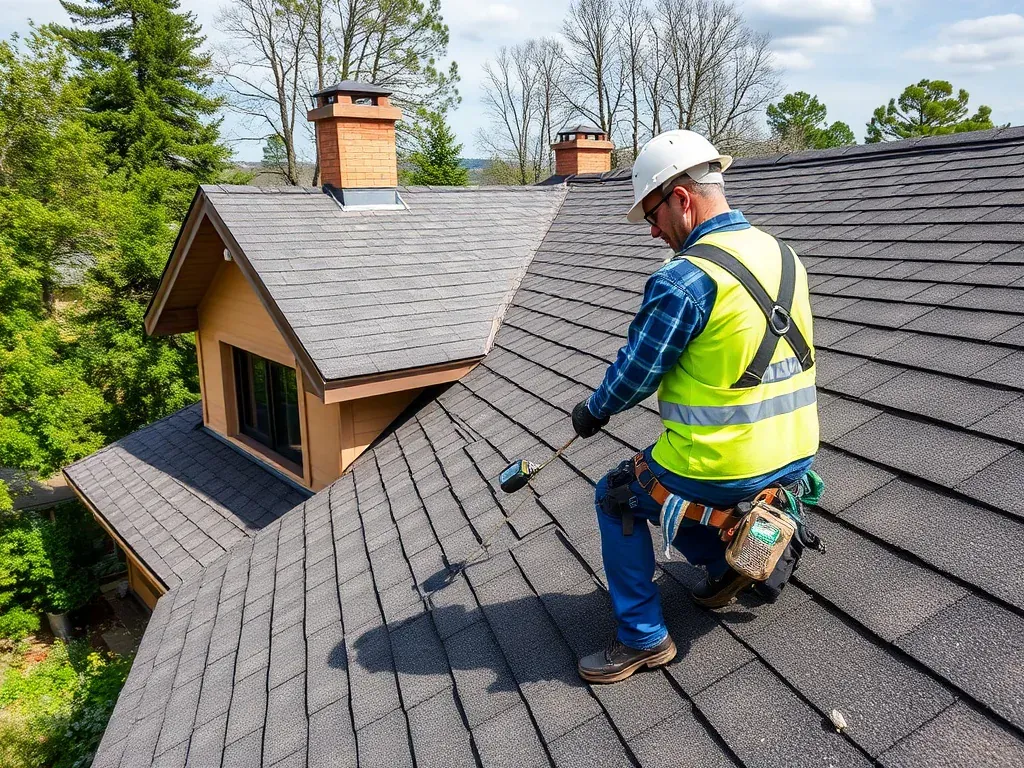
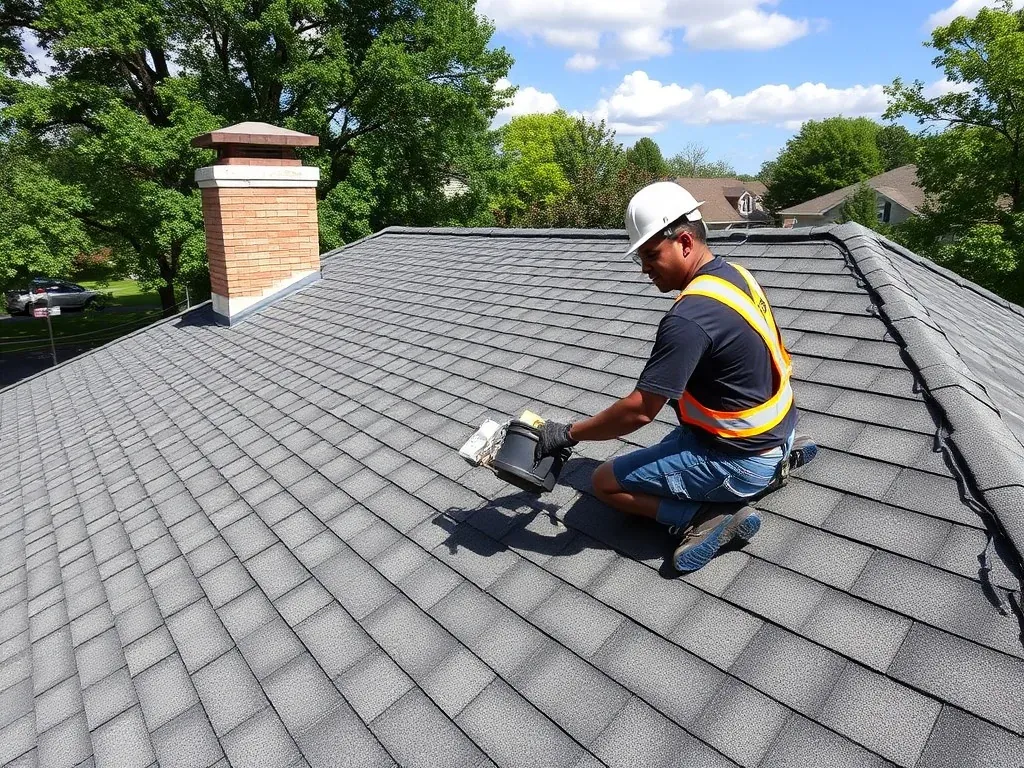
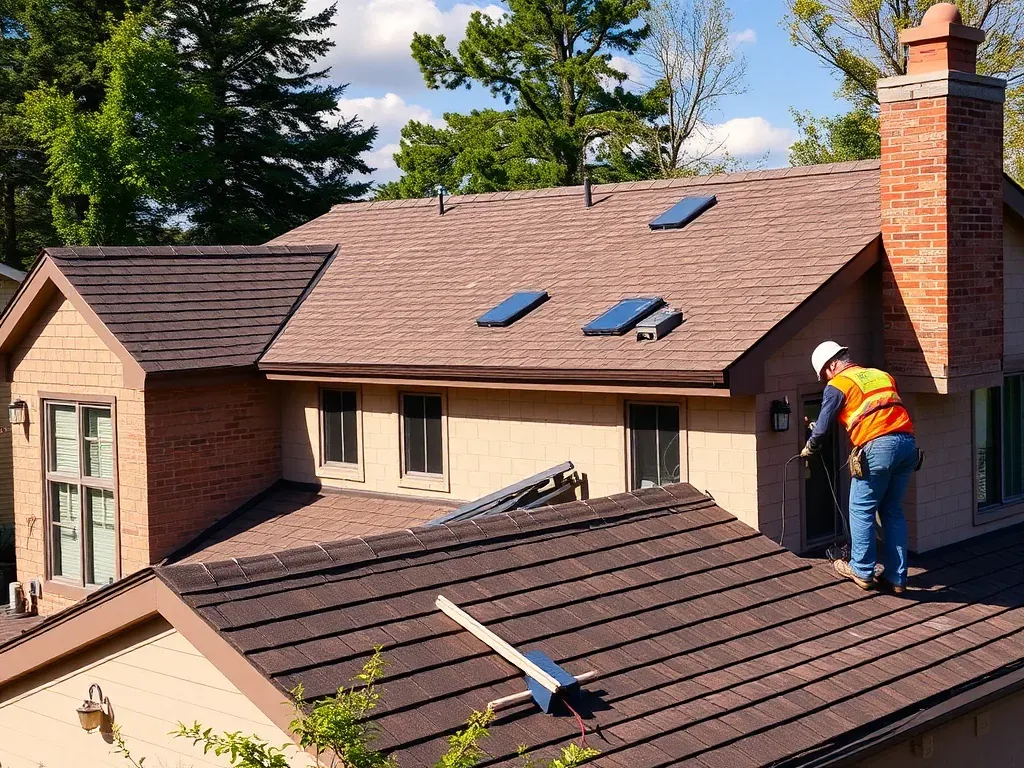
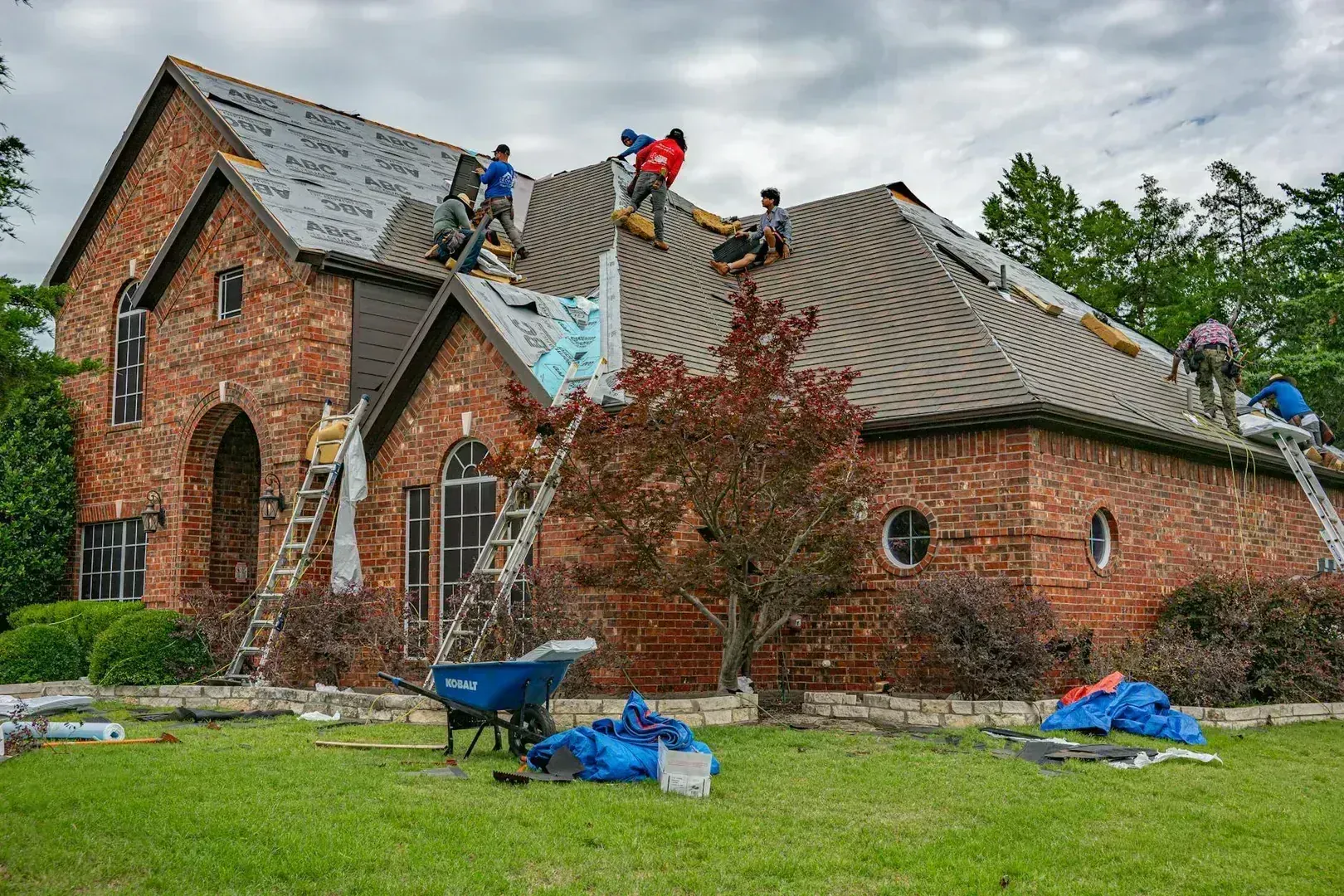
Commercial Roofing in Mill Valley, CA
Mill Valley Roofing keeps low-slope commercial buildings dry by replacing failed membrane, resealing seams, and restoring drainage before the next storm. A commercial roof rarely fails all at once: a seam opens, ponding water finds it, and the insulation below wicks up water like a sponge. Call 628-313-5855 for a roof inspection and a written roof estimate.
Call 6283135855What Commercial Roofing Covers on a Low-Slope Building
Commercial roofing keeps flat and low-slope assemblies watertight on offices, retail shells, and multi-tenant properties. Membrane, seams, drainage, and the roof deck matter more here than shingle color. A crew that only hangs asphalt shingle is not equipped for this trade.
We begin with a roof asset survey: core cuts, moisture readings, and a slope check. That tells us whether the assembly can be refit, recoated, or has to come off entirely.
Low-slope systems we install
- TPO membrane is a heat-welded single-ply sheet that reflects sunlight and handles heavy rooftop equipment on restaurants and warehouses.
- EPDM is a rubber membrane with a long record against UV exposure and ponding water, and it flexes with an older roof deck.
- Modified bitumen is an asphalt-based cap sheet applied self-adhered or torched, and it is often the right match when we replace a built-up roof.
- PVC membrane resists kitchen grease and chemical exhaust, which is why it belongs over commercial kitchens.
- Built-up roof, or BUR, alternates roofing felt and bitumen in layers for buildings that want weight and redundancy.
- Standing-seam metal panel suits steeper commercial sections where a single-ply sheet would not shed water fast enough.
- Acrylic and silicone coating restores a sound modified bitumen or metal roof when the assembly still has life left in it.
Carlisle SynTec, GAF EverGuard, Firestone, Johns Manville, and Versico all make TPO and EPDM sheet we can spec. What decides performance is thickness, attachment, and the details at the edge.
Insulation, Parapet Detailing, and Ventilation
Insulation does two jobs here. It cuts cooling load, and it gives the membrane a flat surface to bond to. Wet insulation is the most common reason a commercial roof fails early, because water wicks sideways through the board and never shows on top.
Parapet walls need counter-flashing and coping that push water toward the drain. Without them, water seeps behind the membrane and rots the wood blocking at the wall base.
Ventilation matters too. Ridge vent, soffit vent, or an attic fan keeps the roof deck dry, so the substrate under the membrane does not decay from trapped moisture.
Components We Check on Every Commercial Roof
Most leaks land at a penetration or a transition, not in the middle of the field. These are the pieces we inspect, reseal, and repair before we quote anything.
- Step flashing, counter-flashing, and apron flashing seal where the roof meets a wall, while chimney flashing, pipe flashing, pipe boot, and vent boot handle the penetrations that leak first.
- Drip edge, eave, soffit, fascia, and rake protect the roof edge, which is where wind uplift starts and where salt air corrodes fasteners.
- Ridge cap, ridge vent, hip, and valley details control how water and air move across the roofline, which matters more on a gable than on a flat deck.
- Gutter and downspout runs carry runoff away, and a clogged scupper or blocked coping drain can back water under the membrane inside one storm.
- Sealant, caulk, mastic, and roof cement close small gaps, but they are a stopgap. A new flashing bead or a torched patch holds far longer.
- Vapor barrier, underlayment, synthetic underlayment, and ice-and-water shield sit under the finish layer to stop an ice dam from forcing water up the eave.
- Skylight, dormer, canopy, awning, and overhang all create transitions that need weatherproofing and real waterproofing detail, not just adhesive.
- Snow guard and anchor points keep snow from sliding and give our crew a safe tie-off on a mansard or gambrel section.
- Truss, rafter, joist, ridge beam, and purlin carry the load, while batten and counterbatten set the spacing under a metal panel roof.
- Plywood, OSB, and sheathing form the roof deck and the substrate for everything above. Rot, decay, or sag there means the decking comes out.
- Shingle, three-tab shingle, and architectural shingle held with ring-shank nails show up on the residential and mixed-use buildings we also service, along with wood shake, cedar shake, slate, clay tile, and concrete tile.
- Corrugated panel, tar paper, felt, tar, pitch, asphalt, and bitumen are legacy materials we still find, and a roof estimate has to account for removing them safely.
On shingle sections we set a starter course along the eave, run the field course straight up the rake, and keep staggered courses aligned so the exposure stays even.
Tools tell you who actually showed up: ladder, scaffold, and safety harness for access, roofing square for layout, an air compressor and nail gun for fasteners, a pry bar and roofing shovel for the tear-off, and a torch or roller for membrane work. We hand-check every nail and screw so nothing gets overdriven.
We stage a dumpster for debris in the lot and haul it out daily. A roofing contractor who leaves debris overnight is telling you something about how the job is run.
What the Local Climate Does to a Commercial Roof
Coastal fog and morning moisture keep a low-slope roof damp for hours after sunrise, which is exactly when seams begin to fail. Winter atmospheric rivers drop a season of rain in days, so drainage matters more than membrane thickness in February.
- High UV exposure erodes asphalt-based cap sheets faster than inland, so granule loss and alligatoring appear earlier than owners expect.
- Salt spray in the air corrodes metal flashings and fasteners, especially at the roofline and on buildings closer to the water.
- Wildfire smoke residue needs gentle cleaning rather than a pressure washer, which can strip a coating and open the seams underneath.
How We Tell Repair From Replacement
Not every wet roof needs a tear-off. When less than roughly a quarter of the surface is affected and the deck is sound, a targeted repair and a fresh coating will buy years. Past that point, patching becomes a cycle of returns.
- Granule loss and alligatoring on a modified bitumen cap sheet mean the surface is eroding and the bitumen below is oxidizing.
- Blisters, wrinkles, and delamination point to trapped moisture, where the membrane has peeled off the substrate and will keep tearing at the seams.
- Ponding water, cracking, and membrane splits trace back to inadequate slope or a clogged drain, and they will not fix themselves.
- Wet insulation found in core cuts, plus rot or decay in the deck, pushes the job toward full replacement.
- Corroded fasteners, exposed fastener heads, and spalling or flaking metal at the roofline show what salt air and UV degradation do over time.
- End-of-life wear arrives all at once on older systems, and a deck that begins to settle or sag flattens the slope so water stops moving.
- Interior water stains near roof edges, or a steady drip after rain, usually mean the leak sits at a flashing rather than overhead.
What Commercial Roofing Costs in Mill Valley
A recover, or overlay, costs less than a tear-off because you skip the dumpster haul and most deck repair. Once we open the roof, we know which one you actually need.
- Recover over a sound existing membrane: roughly $4 to $7 per square foot.
- Full tear-off with new insulation and TPO or EPDM: roughly $9 to $16 per square foot.
- Modified bitumen cap sheet replacement: roughly $7 to $12 per square foot.
- Targeted roof repair, flashing rebuilds, and coating: priced by the line item, typically a few hundred to a few thousand dollars.
Those are ranges, not quotes. Slope, access, tenant hours, and how much wet insulation comes out move the number more than anything else does.
Building Code, Permits, and Insurance Claims
California Building Code Chapter 15 requires roof coverings to meet a Class A or B fire classification, and structural additions or reroofs over 5,000 square feet usually need an engineered permit under CBC 1504. Title 24 also sets cool-roof reflectance values for low-slope commercial roofs.
We pull the permit and keep the inspection record, so a future buyer or insurer can find it. When storm damage is involved, we document the storm date, photograph the failure, and meet your adjuster on the rooftop.
Insurance claim assistance here means a line-item estimate that mirrors the adjuster's scope, supplemental claims when hidden damage shows up, and help with the proof of loss form before your claim deadline.
Warranty, Maintenance, and What Comes After the Install
Warranties on low-slope commercial systems run 15 to 30 years NDL, depending on membrane and attachment method. Maintenance keeps them valid, since most manufacturers want documented roof inspections and prompt repairs on record.
We recommend two visits a year: once after the winter rains, once before summer. We clear drains, reseal seams, recaulk flashings, and log the condition of every penetration with photos.
We renovate and maintain roofs across the county, and we will tell you plainly when the honest answer is to mend a small problem instead of selling you a new roof.
Questions we hear on almost every job
How long does a commercial roof replacement take? Most low-slope roofs run two to five days of field work, plus cure and inspection time. Tenant coordination, weather, and wet insulation removal stretch that window.
Can you work around our business hours? Yes. We phase the work by rooftop section and schedule the loud operations before you open or after you close.
Do you handle residential roofing too? We do, including shingle roofing, metal roofing, shingle repair, gutter installation, gutter repair, roof maintenance, and skylight installation for homes in the area.
What's Included
- Old membrane removal and disposal, with a staged dumpster and daily haul-off so your lot and loading zones stay clear.
- New insulation board, cover board, and a vapor barrier where the assembly needs it, fastened for the specific roof deck.
- TPO, EPDM, modified bitumen, or PVC membrane installed to the manufacturer's spec, with heat-welded or self-adhered seams.
- Flashing rebuilds at every penetration, including counter-flashing at the parapet, chimney flashing, pipe boot, vent boot, and new drip edge at the roofline.
- Drainage work: scupper clearing, coping repair, and gutter and downspout adjustments so water leaves the rooftop instead of sitting on it.
- A free roof estimate written as a line-item scope, so you can compare it against any other bid on equal terms.
- Permit filing and inspection coordination, including the engineered permit when the square footage triggers one.
- Manufacturer warranty registration plus our own workmanship coverage on the installation, explained in plain language.
Our Commercial Roofing Process
- Roof asset survey. We walk the rooftop, cut cores in suspect areas, take moisture readings, and check slope, drains, parapet condition, and every flashing detail. You get photos, not just a number.
- Written scope and line-item estimate. You see the square count, insulation specification, membrane thickness, and labor broken out separately, so you can compare bids honestly.
- Permits and scheduling. We file the permit, confirm tenant hours, and set the staging plan, including where the dumpster goes and where the scaffold and safety harness anchors will sit.
- Installation. Tear-off or recover, deck repair, new insulation, membrane laid in staggered courses with welded or self-adhered seams, and flashing rebuilt at every penetration before the field work closes.
- Inspection and handover. A magnet sweep for fasteners and debris, a final water test at drains, warranty registration, and a written maintenance schedule for the next two years.
Signs You Need Commercial Roofing
Warning Signs Your Commercial Roof Needs Attention
Coastal fog, winter atmospheric rivers, and heavy UV all push a low-slope roof harder than most owners realize. If you see any of these, get a roof inspection before the next storm front.
- Standing water on the roof surface a full day after rain, which usually points to a clogged drain or lost slope.
- Blisters or wrinkles in the membrane, a sign that moisture is trapped and the sheet has peeled away from the substrate.
- Visible tears at flashing seams, especially where the roof meets a parapet wall or a curb.
- Interior water stains near roof edges or ceiling tiles, which often trace back to a flashing rather than the field.
- Granule loss and dark, bare patches on an asphalt cap sheet as the surface erodes under UV.
- Rusted, backed-out, or overdriven fasteners on a metal panel roof, common after salt air exposure.
- Spongy spots or sag underfoot on the roof deck, which means the sheathing or insulation has taken on water.
- Debris piled at the scupper or dark streaks running down the coping after a windstorm.
Don't just take our word for it — hear from our satisfied customers.
"We manage a six-unit retail building in Alto and had ponding water over the back tenant space every winter. They cut cores, found the wet insulation, and replaced just that section with TPO instead of selling us a full tear-off. Two wet seasons later the ceiling tiles are still dry." — Dana R., property manager
"Our office roof in Strawberry had blisters across the field and a tear at the flashing seam near the parapet. The estimate was broken out line by line, they worked around our staff's hours, and it was buttoned up before the next storm came through." — Marcus T., building owner
"We own a mixed-use building near the Cascade neighborhood and the old modified bitumen cap sheet was at end-of-life. They walked us through the coating option first, told us honestly it would not hold, and then installed a new system. No pressure either way." — Priya S., facility director
Ready to get started? Call us today at 6283135855 for a free estimate.
Free estimates · Licensed & Insured certified · up to 50-year warranty
Call 6283135855