Shingle Roofing in Mill Valley, CA
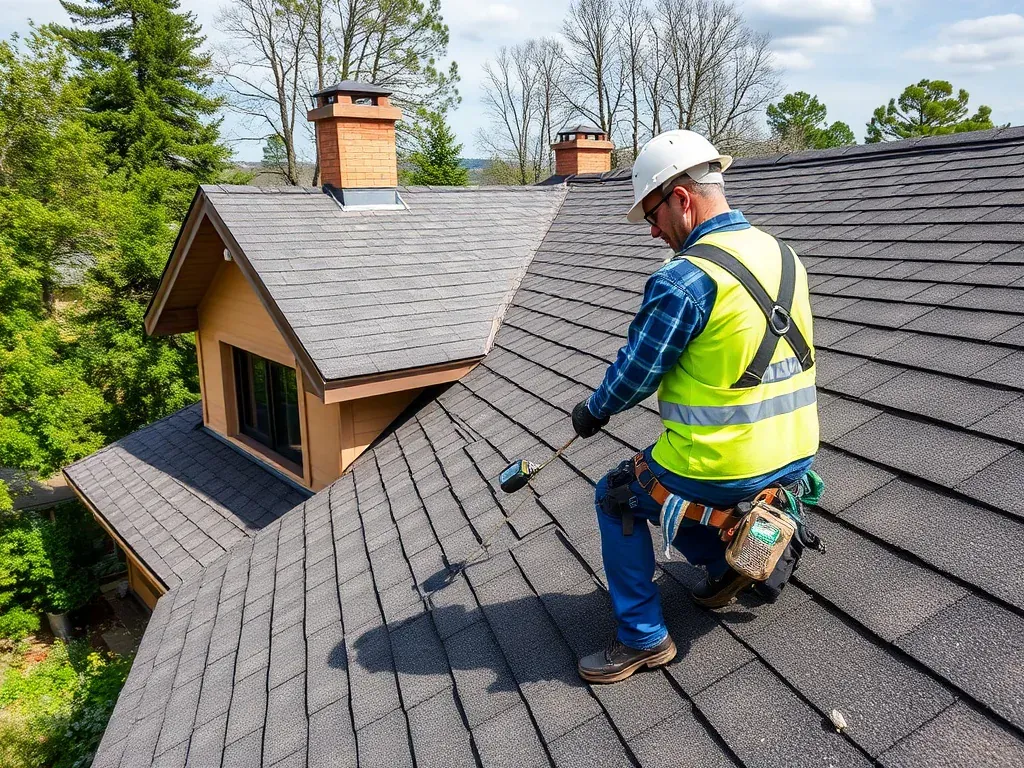
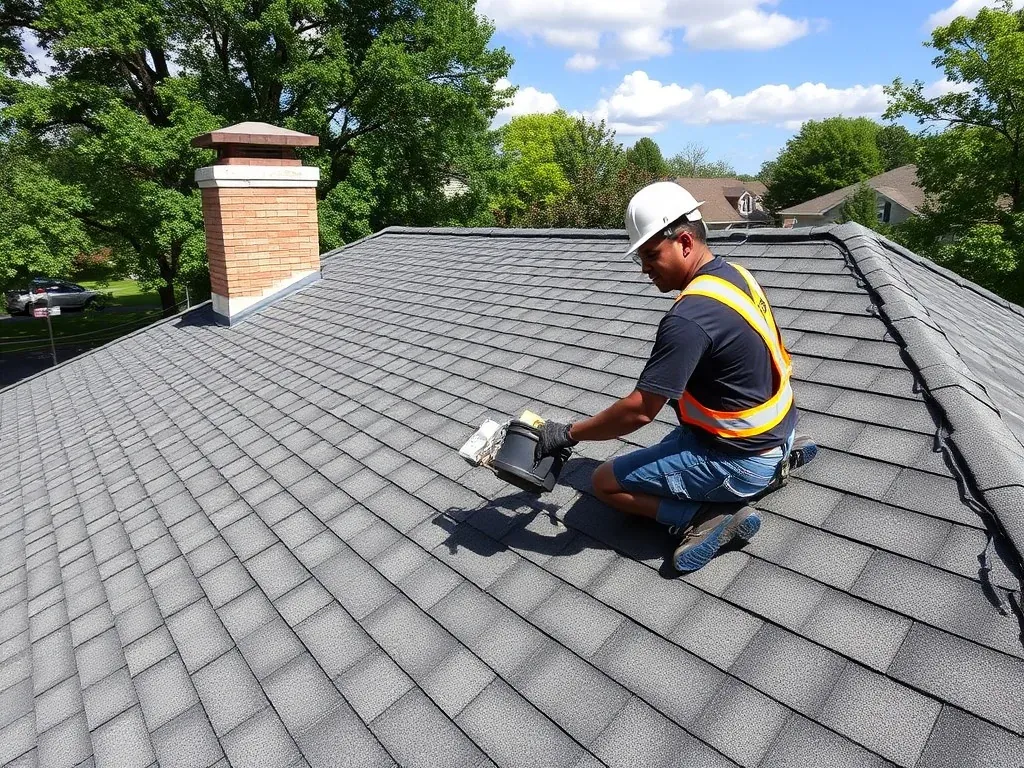
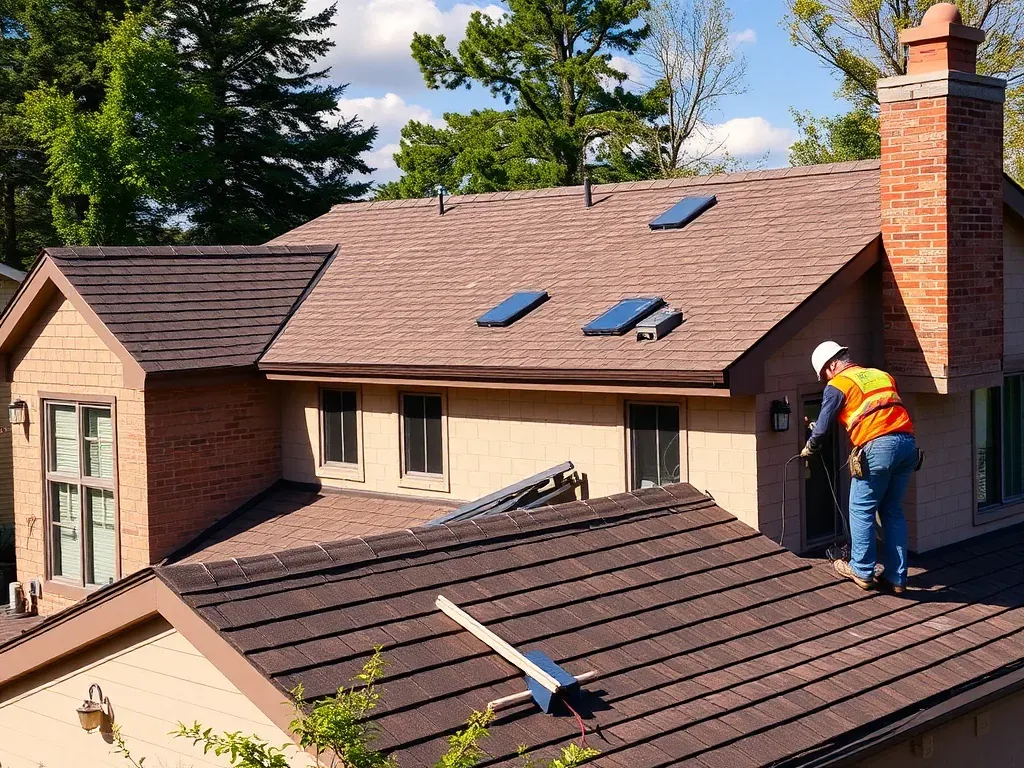
Mill Valley Roofing installs, repairs, and replaces asphalt shingle roofs, and we start by walking the rooftop ourselves instead of quoting from the driveway. Shingle roofing is the layered system of granulated shingles, underlayment, drip edge, and flashing that keeps rain off your roof deck and out of your living room. Call 628-313-5855 for a free roof estimate and a straight answer on whether your roof needs a repair or a full tear-off.
Call 6283135855What Shingle Roofing Actually Involves
Shingle roofing is a layered assembly, not a single product. Each layer has one job, and skipping any of them is how a roof fails early around here.
- Asphalt shingle is the top layer: a fiberglass mat coated in asphalt and surfaced with granulated mineral that takes the sun and rain.
- Architectural shingle, also called dimensional or laminated, is the upgrade most homeowners choose, while three-tab shingle is the flatter, lighter, lower-cost option.
- Synthetic underlayment has largely replaced roofing felt and tar paper because it will not wrinkle or tear when rain interrupts a job.
- Ice-and-water shield is a self-adhered membrane we run along the eaves and valleys where meltwater pools and ice dam damage begins.
- Drip edge metal protects the rake and eave edges so water drips clear of the fascia instead of wicking back into the sheathing.
- Starter course at the eaves and ridge cap at the peak hold against wind uplift, which is where most missing shingles start.
Materials We Install, and What Each One Is Built For
Asphalt shingle covers most homes in this county, but it is not the only roof on the block. Matching material to pitch and framing matters more than trend.
- Architectural shingles such as GAF Timberline HDZ, Owens Corning Duration, and CertainTeed Landmark Pro are what homeowners compare on wind rating, algae resistance, and manufacturer warranty.
- Wood shake and cedar shake suit older homes on steep pitch. They look great, but they split and cup faster than asphalt.
- Slate outlasts everything else on this list and weighs the most, so the framing gets checked before anyone commits.
- Tile roofs, both clay tile and concrete tile, handle salt air well but are brittle underfoot, so repairs take patience.
- Metal panel systems, including standing-seam panel and corrugated panel, shed water fast and hold up under wind uplift.
- Low-slope sections get a membrane such as TPO, EPDM, or PVC membrane, or a built-up roof of alternating bitumen and felt.
- Modified bitumen, and old-fashioned tar, pitch, and asphalt, still get us out of tight spots on porches and small flat areas.
What Sits Under the Shingles: Decking, Framing, and Ventilation
Shingle roofing is only as good as what it sits on. We look at the structure below and the airflow above before we quote a single bundle.
- The roof deck is usually plywood or OSB sheathing fastened to the framing, and soft or delaminated panels get cut out and replaced.
- Decking that has taken on water will sag, and a sagging roofline usually traces back to rot rather than to the shingles.
- Trusses, rafters, and joists carry the load, so any notched or sistered member gets a look before we add weight.
- A ridge beam, purlin, batten, or counterbatten can change how we fasten the substrate on older or steeper roofs.
- Insulation and ventilation work as a pair: a ridge vent with soffit vents pulls moist air out before it condenses on the underside of the decking.
- An attic fan or a new vapor barrier can solve a condensation problem that no shingle on the market will fix.
- A deep overhang, or a canopy, awning, mansard, or gambrel section, changes how water drains and where we need to detail.
How Shingles Fail, and What You Can See From the Ground
Shingle roofing rarely fails all at once. It fails in sequence: granules flake off, the asphalt oxidizes, water seeps under a lifted tab, and the deck below begins to rot.
- Granule loss in the gutter is the honest first signal, because the asphalt underneath has started to oxidize and dry out.
- Water that seeps past a lifted shingle wicks along the underlayment and shows up as a ceiling stain far from the actual gap.
- Nails that were face-nailed or left overdriven back out over the years and puncture the underlayment from below.
- Sealant and caulk around a pipe boot or vent boot peel and crack, which is a cheap fix if you catch it early.
- Wet roof deck boards rot and decay quietly until the roofline settles, and by then the damage is obvious from the street.
- Moss and algae hold moisture against the shingle, speeding end-of-life wear on the north slope where sun rarely reaches.
Where Leaks Start: Flashing, Valleys, and Edge Metal
Most leaks we find trace back to flashing rather than shingles. When someone seals a joint with caulk instead of building it, that joint fails again two winters later.
- Step flashing is woven between shingle courses where a roof meets a sidewall, and it has to be stepped, not smeared with mastic.
- Counter-flashing caps that step flashing and gets set into the masonry so water cannot get behind it.
- Chimney flashing combines step flashing, a cricket, and counter-flashing, and skipping any one piece sends water into the attic.
- Pipe flashing and a new pipe boot seal the plumbing vents, which are the most common leak source on an older roof.
- Apron flashing and boot flashing handle the low side of a dormer or chimney and the base of a vent, both easy places to cut corners.
- Valleys carry the most water on any roof, so we run ice-and-water shield under them and keep them clear of debris.
- Edge details matter: hip and gable ends, the verge and rake trim, scupper drains, coping on a parapet, and snow guards above a doorway.
- Gutters and downspouts get checked on the same visit, because a clogged gutter backs water up under the eave and rots the fascia.
What Drives the Cost of Shingle Roofing
We estimate with a line-item breakdown so you can see what each part of the roof costs. A roofer who quotes one number from the driveway is guessing, and that guess usually gets expensive later.
- Roof size and pitch set the labor, since a steep two-story roof takes more scaffold time and harness work than a low ranch.
- Layers matter: a recover or overlay costs less than a full tear-off, but building code limits how many layers a roof can carry.
- Decking condition drives surprises, because soft plywood or OSB sheathing has to be replaced before anything goes back down.
- Material tier moves the number most: three-tab shingle covers a roof for less, while designer and luxury shingles buy better wind ratings and algae resistance.
- Roof complexity adds hours, since valleys, dormers, skylights, chimneys, and parapets need flashing work a plain gable roof never requires.
- Ventilation upgrades like a ridge vent, soffit vent, attic fan, or added insulation cost money now and prevent the moisture that ruins the next roof.
- A roof coating or a targeted repair can defer a replacement on a small flat section, and we will tell you when that is the smarter spend.
Step by Step: How We Run a Shingle Roofing Job
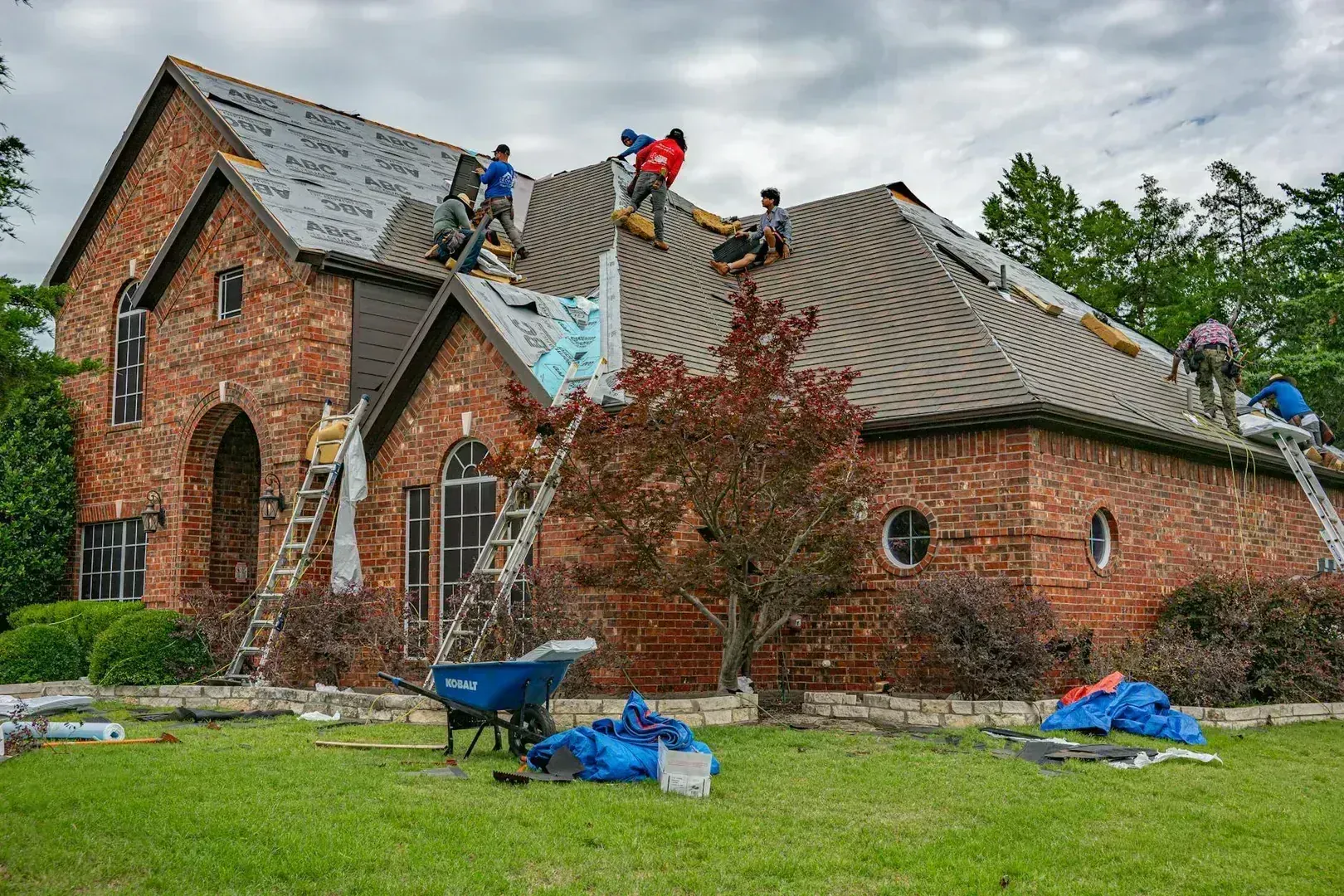
A typical asphalt roof takes one to three days depending on size, pitch, and weather. Here is the sequence we follow, start to finish.
- Roof inspection and roof estimate: we walk the roof, check the attic, photograph the problem areas, and hand you a written line-item estimate.
- Material order and site setup: shingles and accessories arrive, and a dumpster lands in the driveway with tarps over the landscaping.
- Tear-off: crews strip the old shingles with a roofing shovel and pry bar, then inspect the deck and pull the old fasteners.
- Deck repair: bad plywood or OSB sheathing is cut out, and soft fascia at the eaves is replaced before we go further.
- Underlayment and ice-and-water shield: synthetic underlayment goes across the field, then a self-adhered membrane at the eaves and valleys.
- Shingles: starter course first, then field course rows laid in staggered courses and fastened with ring-shank nails.
- Details and ventilation: step flashing, counter-flashing, pipe boots, ridge vent, and ridge cap go on, and every penetration gets fresh sealant.
- Cleanup and final walk: we run a magnet sweep for nails, haul the debris out with the dumpster, and photograph the finished roof.
Safety is not optional on a steep roof. Crews tie off to a roof anchor and work from a ladder or scaffold, and a safety harness stays on all day.
We keep a roofing square for layout and an air compressor on site for the nail gun. Sealant, mastic, roof cement, and a compatible adhesive finish the weatherproofing details, and we check every screw and fastener before we leave.
Building Code, Insurance Claims, and Warranty
Shingle roofing has to satisfy the local building code, and in Marin County that covers tear-off limits, deck fastening, and minimum ventilation.
- A roof inspection before you file tells you whether damage is storm-related or end-of-life wear, and that call decides the claim.
- For storm damage repair, we photograph conditions and measure the affected slopes, then meet the adjuster inspection with a line-item estimate.
- We help with the insurance scope and the supplemental claim paperwork so nothing gets missed before a deadline.
- If an insurer disputes a storm date or holds back a reserve release, we hand you the documentation and explain your options plainly.
- We are a licensed and insured roofing contractor, and the estimate spells out materials, scope, and workmanship terms before the first shingle comes off.
Frequently Asked Questions About Shingle Roofing
How long does an asphalt shingle roof last?
Shingle roofing generally gives a homeowner somewhere between fifteen and thirty years, depending on shingle grade, attic ventilation, and sun exposure. Coastal fog ages a roof differently than heat does.
Can new shingles go over the old ones?
Shingle roofing can sometimes be installed as an overlay or recover, and it saves on tear-off labor. We only recommend it when the deck is sound and the building code allows another layer.
How much does shingle roofing cost?
Shingle roofing cost depends on square footage, pitch, how many layers come off, and which shingles you pick. We provide a free written estimate with line items so you can compare materials side by side.
Do you help with insurance claims after storm damage?
Shingle roofing repairs after a winter storm are often covered, and we assist with insurance claims from the first inspection through the adjuster visit. We document what we find and explain what a policy leaves out.
What's Included
- Full tear-off of the old shingles, underlayment, and fasteners, plus dumpster disposal of every bit of debris.
- Deck inspection with rotten plywood or OSB sheathing replaced before any new material goes down.
- Synthetic underlayment across the field and a self-adhered ice-and-water shield at the eaves and valleys.
- New drip edge, step flashing, counter-flashing, pipe boots, and ridge cap to replace tired metal and dried caulk.
- Starter course and field course shingles installed in staggered courses with ring-shank nails.
- Ventilation check on the ridge vent, soffit vents, and attic fan, because trapped moisture kills a new roof fast.
- Magnet sweep for nails, full haul-away, and a written estimate and scope you keep for your records.
Our Shingle Roofing Process
- Roof inspection and roof estimate: we walk the roof, check the attic and flashing, and hand you a free written estimate with line items.
- Material and site prep: shingles, underlayment, and accessories are ordered, and a dumpster is set with tarps over the landscaping.
- Teardown and deck repair: crews strip the old roof with a roofing shovel and pry bar, replace bad sheathing, and refasten the roof deck.
- Installation: ice-and-water shield at the eaves and valleys, synthetic underlayment over the field, starter course, staggered shingle courses, ridge cap, and new flashing.
- Cleanup and final inspection: we magnet-sweep the yard, remove all debris, and walk the finished roof with you before final payment.
Signs You Need Shingle Roofing
Signs Your Shingle Roofing Is Due for Work
- Granules collect in the gutter and downspout, which means the asphalt on top is wearing thin.
- Shingles in a valley or on the south slope curl, crack, or go missing after a winter storm.
- Dark ceiling stains or a musty attic smell point to water wicking along the underlayment rather than a plumbing leak.
- Moss and black algae streaks hold fog moisture against the shingle long after the sun burns off.
- A sagging roofline or a soft spot underfoot usually means rot in the decking or a rafter.
- Daylight or dampness in the attic around a chimney, skylight, or pipe boot means the flashing has failed.
- Ice dam formation along the eaves after a cold snap, where meltwater refreezes and backs up under the shingles.
- The roof is at the end of its expected service life and you plan to stay in the house for years.
Don't just take our word for it — hear from our satisfied customers.
"We had ceiling stains for two winters and two other roofers just wanted to sell a full replacement. Mill Valley Roofing found the failed pipe flashing, replaced the boot and the shingles around it, and we have been dry since. Straight talk and a written estimate." — Dana R., Homestead Valley
"Our 1950s house in Alto had cedar shake under two layers of old asphalt. They tore it all off, replaced the soft sheathing, and put down architectural shingles with new ridge venting. The attic runs noticeably cooler now." — Marcus T., Alto
"After a storm took shingles off our roof in Strawberry, they documented everything for our insurance claim, met the adjuster, and finished the roof without us chasing anyone. The yard was cleaner than they found it." — Priya S., Strawberry
Ready to get started? Call us today at 6283135855 for a free estimate.
Free estimates · Licensed & Insured certified · up to 50-year warranty
Call 6283135855