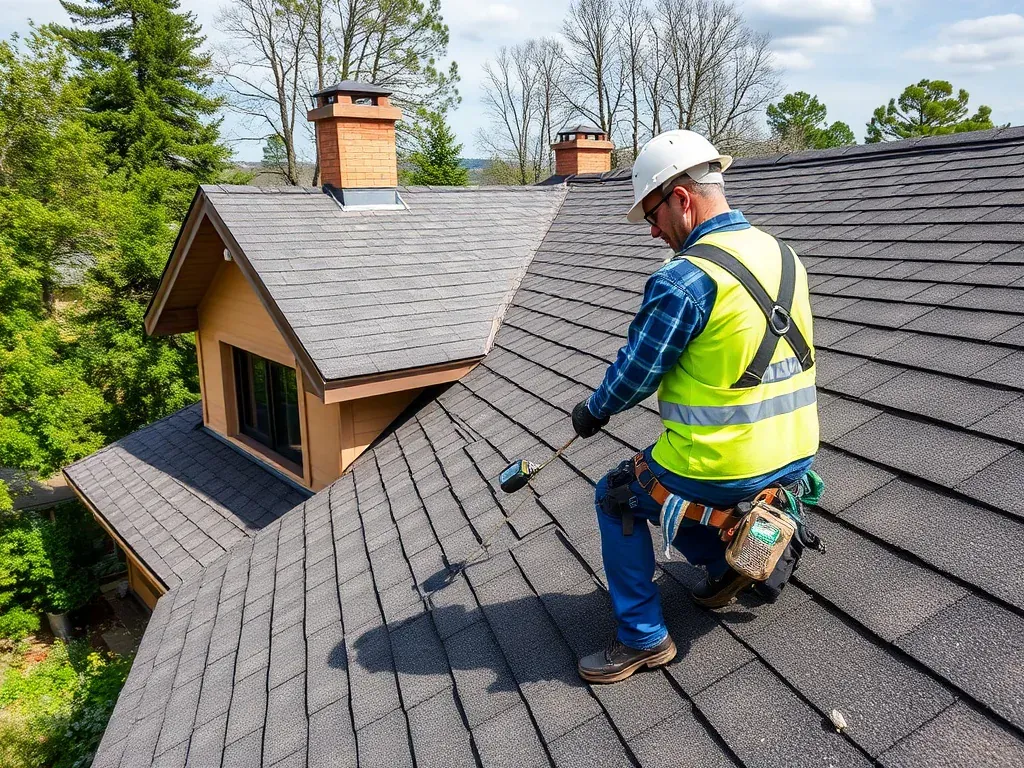
Roof Coating in Mill Valley, CA
Mill Valley Roofing applies reflective roof coating systems that seal aging flat and low-slope roofs, cool the building, and push replacement off by years. Call 6283135855 for a free roof inspection and a line-item roof estimate. Coastal fog and heavy winter rain find every seam up here, and a coating job closes those seams without a tear-off.
Call 6283135855What Roof Coating Is and When It Makes Sense
roof coating is a fluid-applied membrane that cures into one continuous, reflective layer over your existing roof. It suits a building owner whose roof is structurally sound but visibly aging.
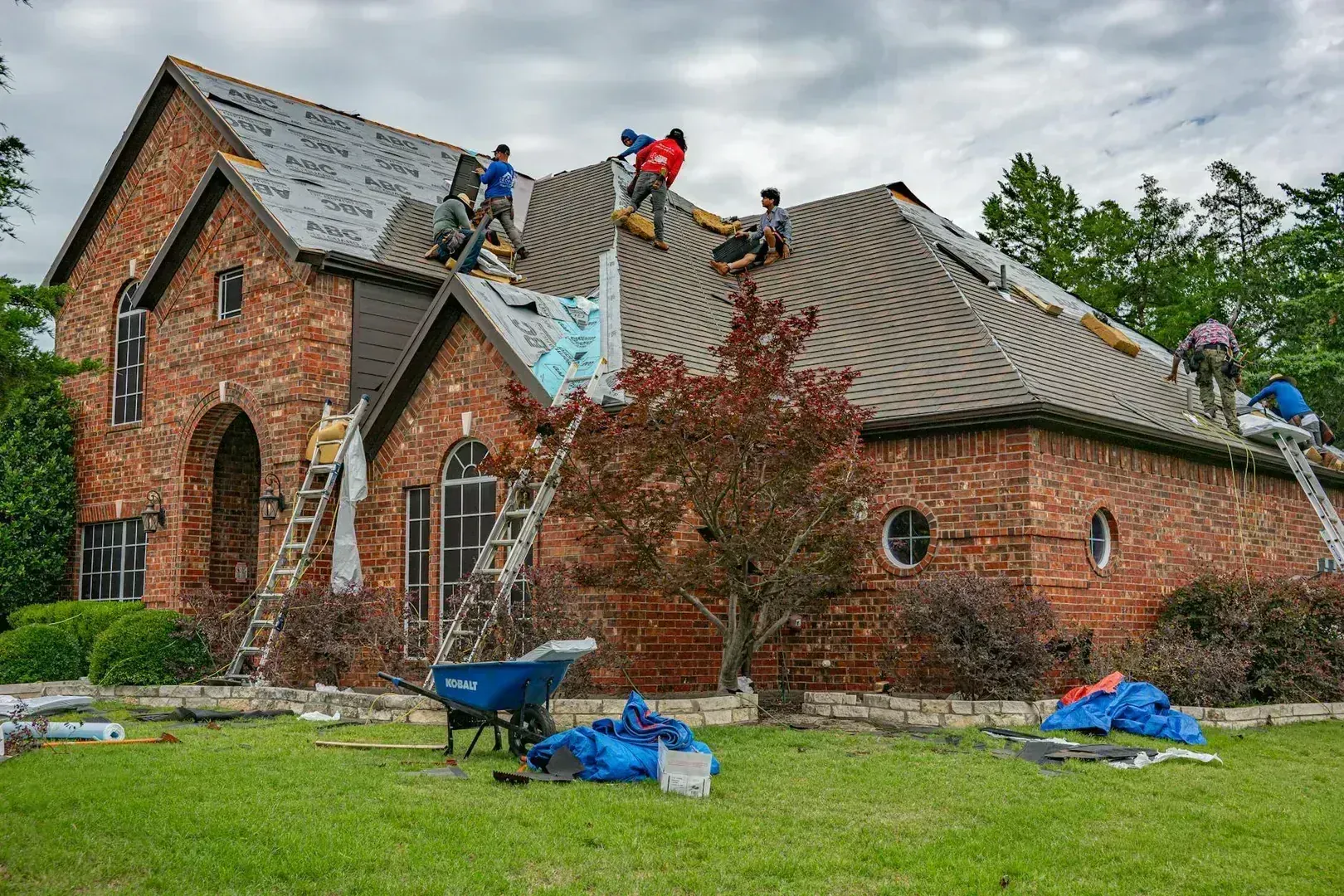
No tear-off. No dumpster parked in the drive for a week. The interior stays dry the whole time, which matters when there is inventory, equipment, or office space underneath.
Here is the thing. Coating is not a fix for every roof. If trusses or rafters show rot, if the decking sags underfoot, or if plywood sheathing has gone soft, you need a tear-off instead.
We start with the substrate, meaning the surface the coating actually bonds to. Aged modified bitumen, a built-up roof with tar and gravel, and rusted metal panel each take a different primer and topcoat.
Roof Coating Materials: Silicone, Acrylic, Polyurethane, and Primer
Material choice decides whether a coating lasts or fails early. Four systems cover nearly every low-slope assembly we see on Mill Valley rooftops.
- Silicone coating resists ponding water better than anything else we apply, which matters on a flat roof with a low spot near the drain.
- Acrylic coating is an acrylic elastomeric film that breathes, holds color, and resists UV degradation on dry, well-drained surfaces.
- Polyurethane coating brings high tensile strength and abrasion resistance where HVAC techs walk the roof every season.
- Reflective topcoats in white or light gray bounce sunlight back, easing the load on insulation and ventilation below.
- Primer systems build the bond on chalky, rusty, or bitumen-heavy surfaces that would otherwise reject a finish coat.
- Reinforcing fabric gets embedded across seams and blisters so the cured membrane moves with the roof instead of splitting.
Henry and GAF Unisil both make silicone and acrylic products we install. Tropical Roofing systems still turn up on older commercial decks around here.
Roofing technology has moved fast on the coating side. Solvent-free silicone and water-based acrylic systems now bond to surfaces that older products would not touch.
How the Roof Coating Process Works
A coating job runs in five stages. Skip any one and the finish coat peels within a season.
- Roof condition survey. We walk the rooftop, measure ponding water at low spots, check moisture in the insulation, and photograph every flashing problem.
- Repairs first. Blisters get cut out and patched, seams get re-sealed with mastic and fabric, and pipe boot, vent boot, and chimney flashing get renewed.
- Cleaning and primer. Washing lifts dirt, chalking, and granule loss. Primer then bonds the finish coat to the substrate instead of to dust.
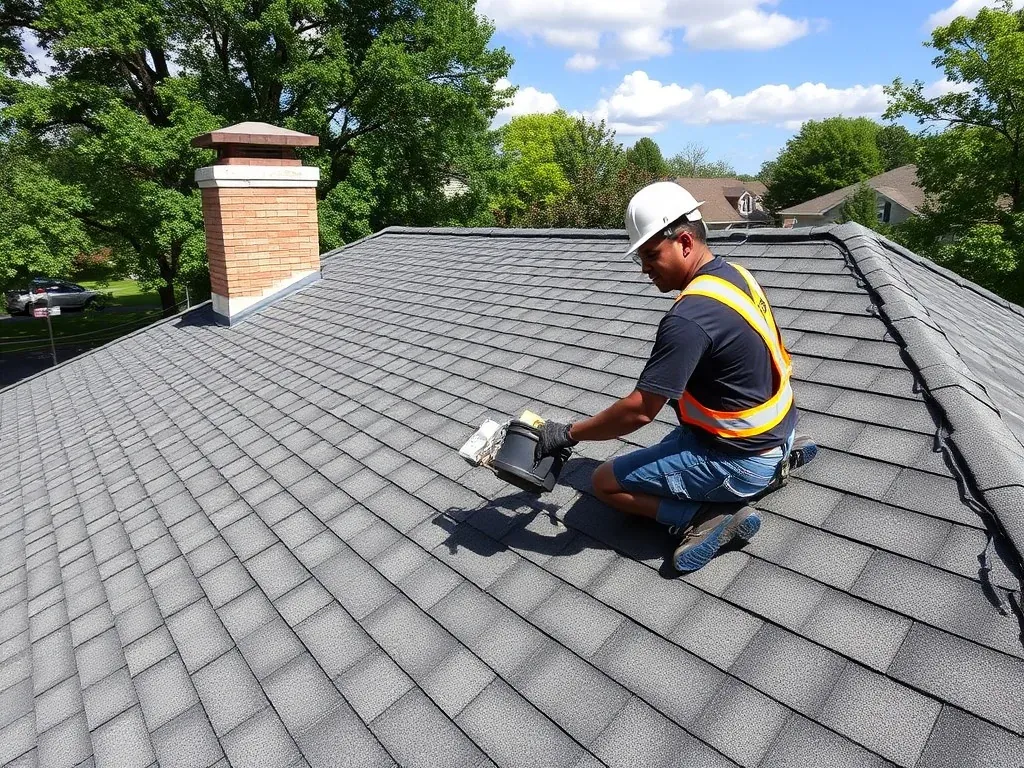
- Application. We roll or airless-spray the base coat at the manufacturer's coverage rate, embed fabric at seams and scuppers, then apply the finish coat.
- Cure and inspection. Silicone sets fast, but full cure time at thickness runs a day or two with coastal fog. We return to check dry film thickness with you.
Roof Components We Inspect Before We Quote
Small details decide whether a coating job holds. These are the parts we check on every roof estimate.
- The drip edge and eave line, where water should shed cleanly instead of wicking back under the field coat.
- Rake edges, hips, and gable ends, which crack first because wind pushes them from two directions.
- Ridge and ridge cap areas, plus any ridge vent, where fasteners loosen and UV degradation hits hardest.
- Valleys, step flashing, and counter-flashing, where most of the leaks we find actually start.
- Chimney flashing, apron flashing, and boot flashing at every pipe boot and vent boot penetration.
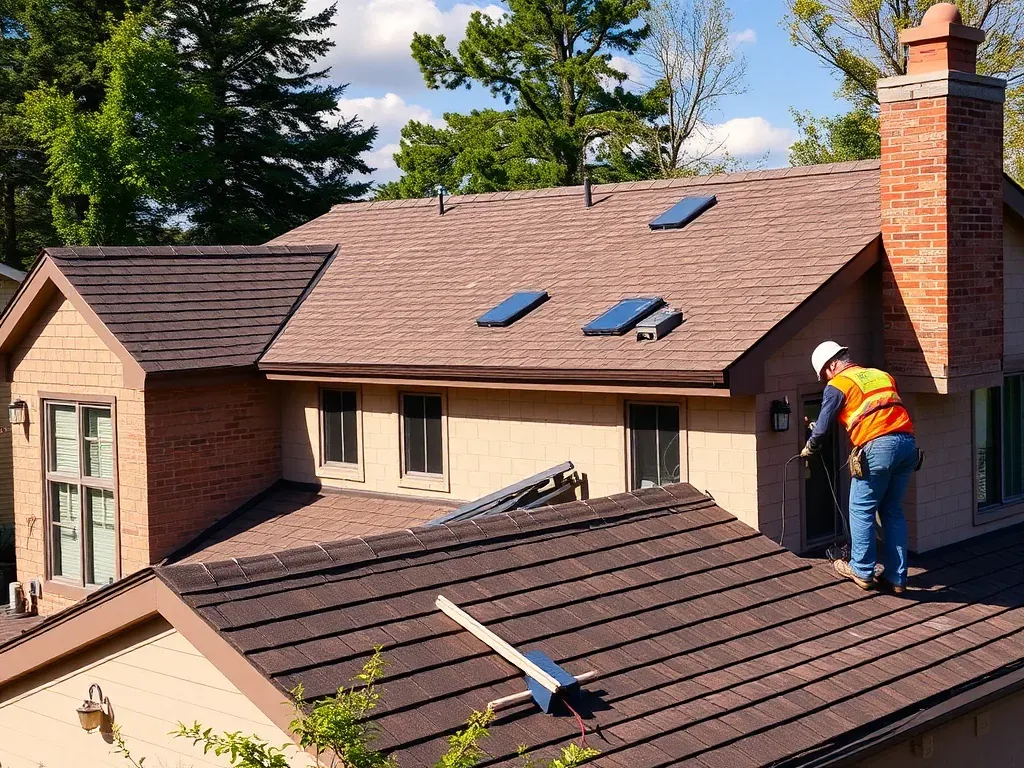
- Skylight curbs and dormer walls, which need sealant and fabric before coating goes anywhere near them.
- Parapet walls, coping, and scuppers, where water stands and the membrane works hardest.
- Gutters and every downspout, since a clog backs water up under the eave and rots the fascia.
- Fascia, soffit, and soffit vent openings, because blocked ventilation cooks the roof deck from underneath.
- The roof deck itself: purlins, battens, counterbattens, joists, and trusses, all checked for sag or decay.
- Plywood, OSB, and sheathing condition, plus whatever roofing felt, tar paper, and underlayment remains beneath.
- Insulation, attic fan operation, and vapor barrier placement, since trapped moisture ruins a new coating.
Roof Assemblies We Coat, and the Ones We Don't
Roof coating belongs on certain assemblies. On others it is the wrong tool, and we will tell you that straight.
- TPO and PVC membrane roofs, where a manufacturer-approved coating can stretch a single-ply membrane past its normal service life.
- EPDM roofs, which need a primer first because cured rubber is notoriously hard to bond to.
- Built-up roof and modified bitumen surfaces with tar, pitch, or bitumen bleed, as long as the surface is still sound.
- Metal panel, standing-seam panel, and corrugated panel roofs, where failed sealant and exposed fastener corrosion are the usual culprits.
- Asphalt shingle, architectural shingle, and three-tab shingle roofs, only in narrow cases, since steep-slope shingles usually need repair or replacement.
- Wood shake and cedar shake, slate, and clay or concrete tile, where we more often re-set broken units and refit flashing than coat.
Steep-slope details that still matter
Even on a flat-roof coating job, the steep sections overhead matter. We look at the verge and overhang at rake edges, and check the underlayment and ice-and-water shield at roof-to-wall transitions.
A hip or mansard section, a gambrel profile, or a small canopy or awning over a doorway all create transitions where synthetic underlayment and roofing felt protect the deck. Ridge beam, batten, and counterbatten framing gets inspected wherever the roofline changes.
Roof anchors for fall protection and window washing get re-sealed too. A failed anchor seal is a slow leak that shows up months later, usually as a stain on a ceiling.
Roof Coating Costs for Mill Valley Buildings
Roof coating costs far less than a tear-off and replacement, and the gap widens when prep work stays light.
- Surface prep drives price more than anything, and heavy ponding water, widespread blistering, or deep seam repair adds labor.
- Silicone costs more per gallon than acrylic elastomerics, but it handles standing water that acrylic cannot.
- Square footage gets measured in roofing squares, and each penetration adds flashing labor to the job.
- Scaffold, ladder, and safety harness setup adds a line item on tall or steeply pitched buildings.
- A free roof estimate gives you a line-item breakdown so you can weigh coating against replacement honestly.
Tools, Site Setup, and Cleanup
Coating is messy work. How a crew sets up tells you a lot about how the job will end.
- Scaffold, ladder, and safety harness come out first, because falls are the real risk on any rooftop.
- A pry bar and roofing shovel lift failed flashing and old sealant without tearing up the substrate.
- A torch and roofing square come into play on modified bitumen seams that need re-laying before coating.
- A nail gun and air compressor reset loose fasteners, and every nail or screw gets checked for overdriven heads.
- Sealant, caulk, mastic, and roof cement detail the flashing and any adhesive-bonded edge.
- Loose debris goes into the dumpster, and we sweep the gutters and downspouts before we leave.
Coating is as much about weatherproofing the details as it is about the field coat. Waterproofing the penetrations is what actually keeps a building dry, and that is where we spend our time.
Warranty, Insurance Claims, and What Coating Cannot Fix
We are licensed & insured, and we back coating work with a written workmanship warranty on top of the manufacturer's material warranty. A roof inspection documents existing damage before anyone opens a bucket.
Roof coating will not fix storm damage. Wind-lifted membrane, hail bruising, or impact punctures need roof repair first. We handle insurance claim assistance and can meet an adjuster on site.
What coating cannot do: it will not cure rot, decay, structural sag, or a failed substrate. Coat over those and you have moved the problem instead of solving it.
Every assembly we install also has to satisfy Marin County building code reviews where they apply, and we pull that paperwork for you.
Energy Efficiency and Sustainability
Reflective coating is one of the cheapest energy efficiency upgrades a building can take on. A white elastomeric surface cuts rooftop heat gain, which lowers cooling load on warm afternoons and eases the insulation below.
Coating helps on the sustainability side too. Extending an existing membrane keeps old roofing material out of the landfill that a tear-off would send there, which lands closer to green roofing than most building owners expect.
Why Building Owners Call Us Back
We are a Mill Valley roofing contractor, not a storm-chasing crew. Our service areas stay tight, so a roofer from our crew can return for a recoat or a repair without a two-hour drive.
Roofing services here include gutter installation, skylight installation, and roof replacement when coating is no longer the right answer. Local expertise means knowing which Mill Valley rooflines shed water and which ones hold it.
Customer satisfaction in this trade comes down to saying no sometimes. Residential roofing and commercial roofing get the same honest estimate, and we turn down coating jobs where the deck is finished.
Common Questions About Roof Coating
How long does roof coating last?
A properly prepped elastomeric coating gives years of service, and a recoat later costs less because prep on an already-coated roof is lighter.
Can you coat a roof with ponding water?
Silicone coating handles ponding water best, though standing water usually points to a drainage problem we should correct at a scupper or drain first.
Is roof coating worth it next to replacement?
Coating is worth it when the substrate is sound and the structure has years left. When the deck is wet or framing is compromised, replacement is the better call.
Do you offer roof maintenance after coating?
We do. Roof maintenance visits, roof leak detection, and emergency roof repair keep a coated roof from reaching end-of-life wear early.
What's Included
- A full roof condition survey with moisture readings in the insulation and a written report on the substrate.
- Pressure washing and surface prep to clear dirt, chalking, and granule loss before any coating goes down.
- Repairs to blisters, open seams, and failed flashing, including new mastic, sealant, and reinforcing fabric.
- A primer coat matched to the surface, whether that is aged modified bitumen, a tar-and-gravel built-up roof, or metal panel.
- Silicone, acrylic, or polyurethane coating applied at the manufacturer's coverage rate in two full coats.
- Reinforcing fabric embedded at seams, scuppers, and every penetration so the membrane stays intact.
- Cleanup of debris and haul-off, plus a final dry film thickness check and a walkthrough with you.
- A written workmanship warranty on our labor, on top of the material warranty from the coating manufacturer.
Our Roof Coating Process
- Roof condition survey and estimate. We get on the rooftop, check deck condition, look for rot or decay, and hand you a line-item roof estimate. Free, with no pressure to sign anything.
- Prep and repair. Failed flashing and open seams get rebuilt with mastic, fabric, and sealant. Blisters get cut, dried, and patched before primer touches the surface.
- Cleaning and priming. A wash removes chalking and granule loss, then the primer bonds the finish coat to the substrate instead of to dust.
- Base coat and fabric. We apply the first coat at the specified coverage rate and embed reinforcing fabric at seams and around scuppers.
- Finish coat. The topcoat goes on at full dry film thickness for UV degradation and ponding water resistance. Most low-slope roofs take one day.
- Cure, inspection, and cleanup. Cure time depends on fog and temperature. We return, check thickness, sweep for debris, and walk the finished job with you.
Signs You Need Roof Coating
Signs Your Flat Roof Needs Coating
Fog, morning moisture, and heavy winter rain off the Pacific wear a low-slope roof faster than the calendar suggests. Here is what we look for.
- Ponding water that sits for more than a day after a storm, which is the clearest signal a reflective coating is overdue.
- Blistering, peeling, or alligatoring on a modified bitumen or built-up roof surface, where the top layer has started to delaminate.
- Chalking and granule loss on acrylic-coated or asphalt surfaces, meaning UV degradation has eaten through the binder.
- Seams that have opened, split, or lifted, especially along a parapet or where two roof sections meet.
- Rust streaks or exposed fastener corrosion on a metal panel or corrugated panel roof after the winter rains.
- Water staining on ceiling tiles or rafters below, which usually means water is wicking along the decking.
- Moss, mold, and soft spots around a valley, skylight curb, or chimney, where water collects first.
- Cracked or dried sealant at flashing, pipe boot, and vent boot penetrations, which lets water seep in quietly.
Don't just take our word for it — hear from our satisfied customers.
We had ponding water near the drain on a flat roof in Strawberry and two bids pushed a full replacement. Mill Valley Roofing showed us the substrate was still solid and coated it instead. Dry through the winter, and the upstairs office is cooler in the afternoon. — Dana R.
Our EPDM roof over the shop in Homestead Valley was at the end of its life. They primed it, coated it with silicone, and resealed every pipe boot. They worked around our schedule and we never closed. — Marcus T.
They told us straight that the wood shake roof on our house in Cascade was not a coating candidate and needed repair instead. We appreciated the honesty, and they handled the flashing work. — Priya S.
Ready to get started? Call us today at 6283135855 for a free estimate.
Free estimates · Licensed & Insured certified · up to 50-year warranty
Call 6283135855