Roof Replacement in Mill Valley, CA
Mill Valley Roofing tears off worn shingles, checks the decking underneath, and builds a roof system that stands up to coastal fog and Pacific winter rain. If a ceiling stain keeps coming back, that is usually a roof past patching rather than a flashing mystery. Call 628-313-5855 for a free roof estimate.
Call 6283135855What Roof Replacement Involves
roof replacement is the process of stripping your existing covering down to the roof deck, inspecting the sheathing for rot and decay, and installing a new, complete roof system. It solves the problem patching cannot: end-of-life wear across the whole rooftop.
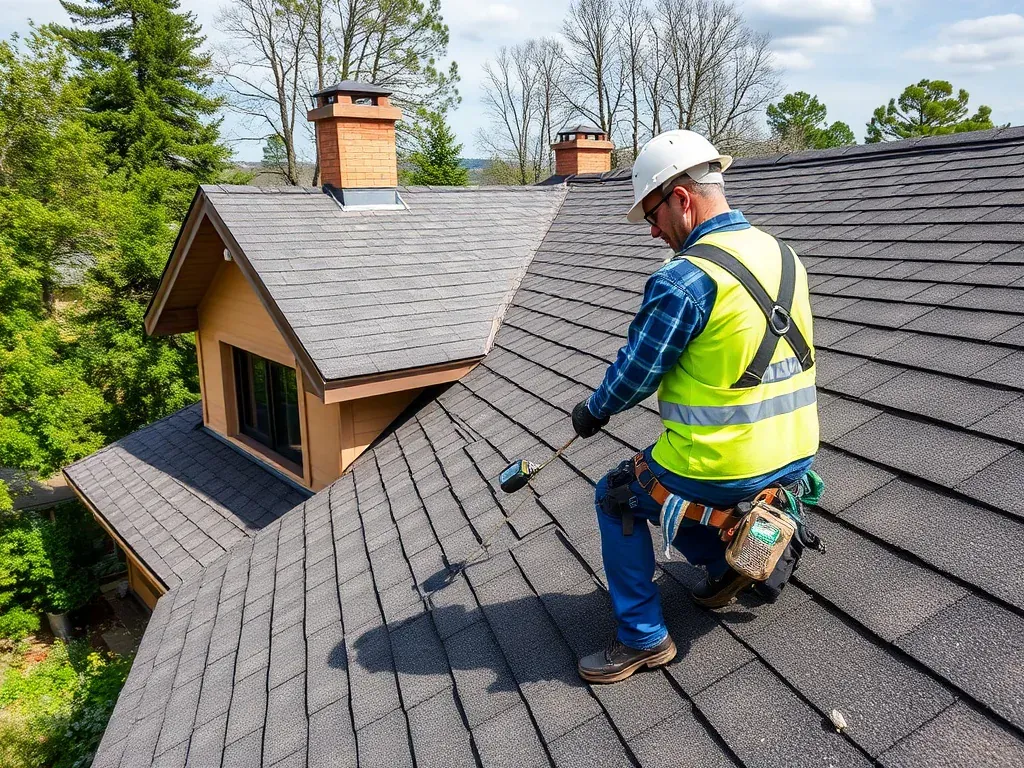
We begin with a roof inspection rather than ladder guesswork. We walk the roof, photograph the flashing condition, check the attic for moisture content, and write a roof estimate line by line.
The Layers That Make Up a New Roof
- Ice-and-water shield is a self-adhered membrane rolled along the eave and through the valley, where ponding water and ice dams cause the worst damage.
- Synthetic underlayment replaces old roofing felt, tar paper, and asphalt-saturated felt across the field of the roof.
- Drip edge caps the eave and rake so runoff clears the fascia instead of wicking back into it.
- Step flashing and counter-flashing seal the roof where it meets a sidewall, while chimney flashing, apron flashing, and boot flashing handle a chimney, a pipe boot, or a vent boot.
- Ridge cap shingles finish the ridge, and a ridge vent paired with a soffit vent keeps the attic breathing.
- A starter course along the eave locks down the first field course so wind uplift cannot get a grip.
Roofing Materials We Install
Material choice drives lifespan, weight, and cost. We install the major residential roofing types and will tell you which one suits your pitch and framing.
- Asphalt shingle roofs dominate here; architectural shingles cost more than three-tab and last longer, and both are far lighter than tile or slate.
- Wood shake and cedar shake suit older homes but need re-coating and more frequent maintenance in our damp air.
- Slate, clay tile, and concrete tile bring a 50-year horizon but may require the rafter, joist, and truss framing to be reviewed first.
- Metal panel roofing, including standing-seam panel and corrugated panel, clips to purlins over a batten or counterbatten and sheds rain fast.
- Flat and low-slope sections take a membrane such as TPO, EPDM, or a PVC membrane, or a built-up roof like the old tar and gravel assembly, capped with modified bitumen.
- Roof pitch drives the choice, and shingle lines you will see quoted around here include GAF Timberline, Owens Corning Duration, and CertainTeed Landmark.
What We Find Under the Shingles
Half of a replacement job lives below the surface. The substrate tells the real story, and we will not shingle over a problem.
- Plywood or OSB sheathing that has softened through water intrusion gets cut out and replaced before anything new goes down.
- A sagging roofline often means a rafter, ridge beam, or purlin has taken on water for years.
- Granule loss, curled or buckled shingles, blistering, and alligatoring all point to a covering past its service life.
- Mold, moss, and dark streaking on the north side usually trace back to ventilation problems, not shade alone.
- Gutters and downspouts pulling away from the fascia are a flashing and drainage issue, so gutter services belong in the same conversation.
Roofline Details That Change the Job
- A dormer, a gambrel, or a mansard roof means cut-up planes and more flashing per roofing square.
- Hip roofs and gable roofs handle wind differently, so verge and rake details get different fastening.
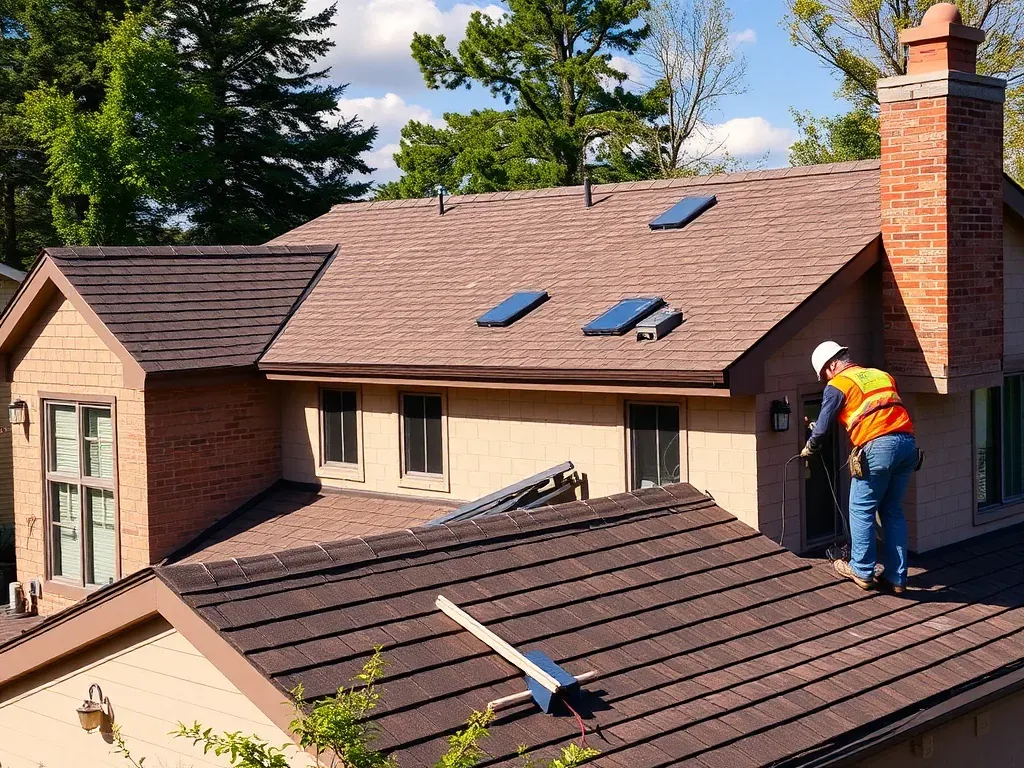
- A chimney, skylight, or parapet needs counter-flashing and a coping detail that ties cleanly into the wall.
- A canopy, awning, or wide overhang needs staging planned before tear-off day, not on it.
Choosing a Roofing Contractor
Any roofer can hand you a number. A good one explains what sits behind it. Ask these questions before you sign anything, and make the Mill Valley roofing contractor walk the roof with you.
- Ask whether the roof estimate is a line-item bid covering tear-off, dumpster, and debris haul-away.
- Ask how they handle decking found rotten after the tear-off, and what that adds per square.
- Ask who pulls the permit and how they verify building code compliance for ventilation and fastening.
- Ask which fasteners they use, ring-shank nails or screws, and whether the crew hand-seals flashing beads or leans on mastic alone.
- Ask for proof the crew is licensed and insured before the first shingle comes off.
What Drives the Price of a Roof Replacement
We price by line item, because two houses the same size can differ by thousands of dollars. Here is what actually moves the number.
- Roof size and pitch: a steep hip or mansard roof needs more labor and staging than a low gable.
- Layers: a single tear-off is faster than stripping three old roofs, and an overlay or recover changes the whole scope.
- Decking: replacing plywood sheathing or OSB adds material, labor, and dumpster space.
- Details: dormers, valleys, skylights, a chimney, a parapet, or a scupper on a flat section all add time.
- Material: architectural shingles, standing-seam panels, and slate sit at very different price points.
- Access: a tight lot may need a scaffold, ladder staging, and a lift to swing material over a canopy or awning.
Insurance Claims and Warranty Registration
Storm damage repair is often covered, but the paperwork decides the outcome. We document the storm date, photograph every damaged slope, and meet your adjuster on the roof during the inspection.
When the work is finished we register the manufacturer warranty on your new system and hand you the paperwork. That registration belongs to you, and it is the part most homeowners never see.
One honest note: if a repair buys you five more years, we will say so. Replacement is the right answer when the covering is failing across the whole rooftop, and we will tell you when it is not.
Energy Efficiency, Ventilation, and Green Roofing
Ventilation is the quiet part of a roof. Ridge vents, soffit vents, and a balanced attic fan cut heat and moisture, which is what actually extends shingle life.
- Reflective shingles and a white roof coating lower attic temperatures through the summer.
- Proper attic insulation and a vapor barrier keep warm, moist air from condensing on the underside of the deck.
- Recycling torn-off asphalt shingles and choosing a longer-life material keeps tonnage out of the landfill.
- Maintenance tips that matter: clear debris from valleys, keep gutters and downspouts flowing, and re-caulk exposed fasteners and sealant joints each fall.
Fog, Rain, and Mount Tam Weather
Roofs here live in a wet, foggy microclimate. Morning moisture off the Pacific sits on the rooftop, then heavy winter rains test every flashing detail. We serve Mill Valley and the surrounding Marin neighborhoods.
- Ice dams are rare locally, but cold air on an eave can still freeze runoff into a dam at the gutter line.
- Constant damp speeds up rot, decay, and corrosion on fasteners, anchors, and snow guards.
- UV degradation fades a south slope even while the north side stays green with moss.
- Sheltered lots near Muir Woods and the Golden Gate National Recreation Area hold moisture longer, so waterproofing matters more.
Tools You Will See on the Job
- A roofing shovel and pry bar strip old shingles without tearing up the decking.
- An air compressor and nail gun drive fasteners at the right depth so nothing gets overdriven.
- A roofing square keeps courses straight and the stagger consistent across the field.
- A safety harness, ladder, and scaffold go up before the dumpster arrives on a steep pitch.
- A torch, mastic, and roof cement hand-seal the modified bitumen seams and adhesive-backed details a roller cannot reach.
Roof Replacement Questions We Get Asked
How long does a roof replacement take?
Roof replacement usually takes one to three days on a single-family home once materials are on site and the weather cooperates. A steep pitch, a heavy tear-off, or extra sheathing repair can add a day.
Can new shingles go over the old ones?
Roof replacement with an overlay is possible on some homes, but it hides deck problems and adds weight. We usually recommend a full tear-off so the sheathing can be inspected.
Will insurance pay for it?
Insurance claim assistance helps when the damage traces to a covered storm rather than age. We document the storm date and the damage so the adjuster sees the scope clearly.
Do you handle gutters while the roof is open?
Roof replacement is the right moment for gutter installation, since the drip edge and fascia are already exposed. We can tie new gutters and downspouts into the same scope.
What happens to the old shingles?
Roof replacement produces a lot of debris. We stage a dumpster on site, load the tear-off daily, and run a magnet across the lawn and driveway before we leave.
What's Included
- A full tear-off of the existing shingles, underlayment, and old flashing down to the roof deck.
- Decking inspection with rotted plywood or OSB sheathing replaced before the new system goes down.
- Ice-and-water shield at the eave and valley, plus synthetic underlayment across the field.
- New drip edge, step flashing, counter-flashing, chimney flashing, and pipe boots at every penetration.
- Architectural shingles or standing-seam panels set with ring-shank nails at the correct depth.
- Ridge cap and ridge vent, tied into the soffit vents so the attic can breathe.
- A dumpster on site, daily debris haul-away, and a magnetic nail sweep of the yard and driveway.
- Manufacturer warranty registration filed in your name, plus our licensed and insured workmanship coverage.
Our Roof Replacement Process
- Free roof inspection and estimate: we walk the roof, check the roof deck from the attic, photograph the flashing, and give you a line-item roof estimate.
- Scheduling and permits: we file the permit, confirm building code requirements for ventilation and fastening, and time the material delivery so the dumpster and shingles land the day before tear-off.
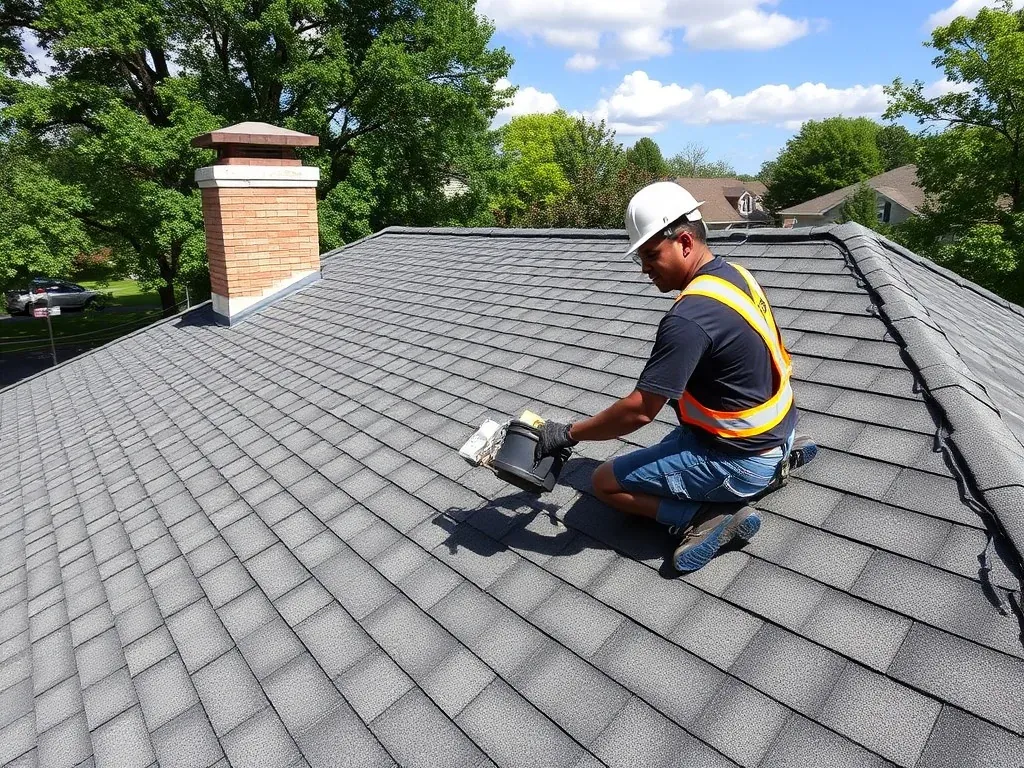
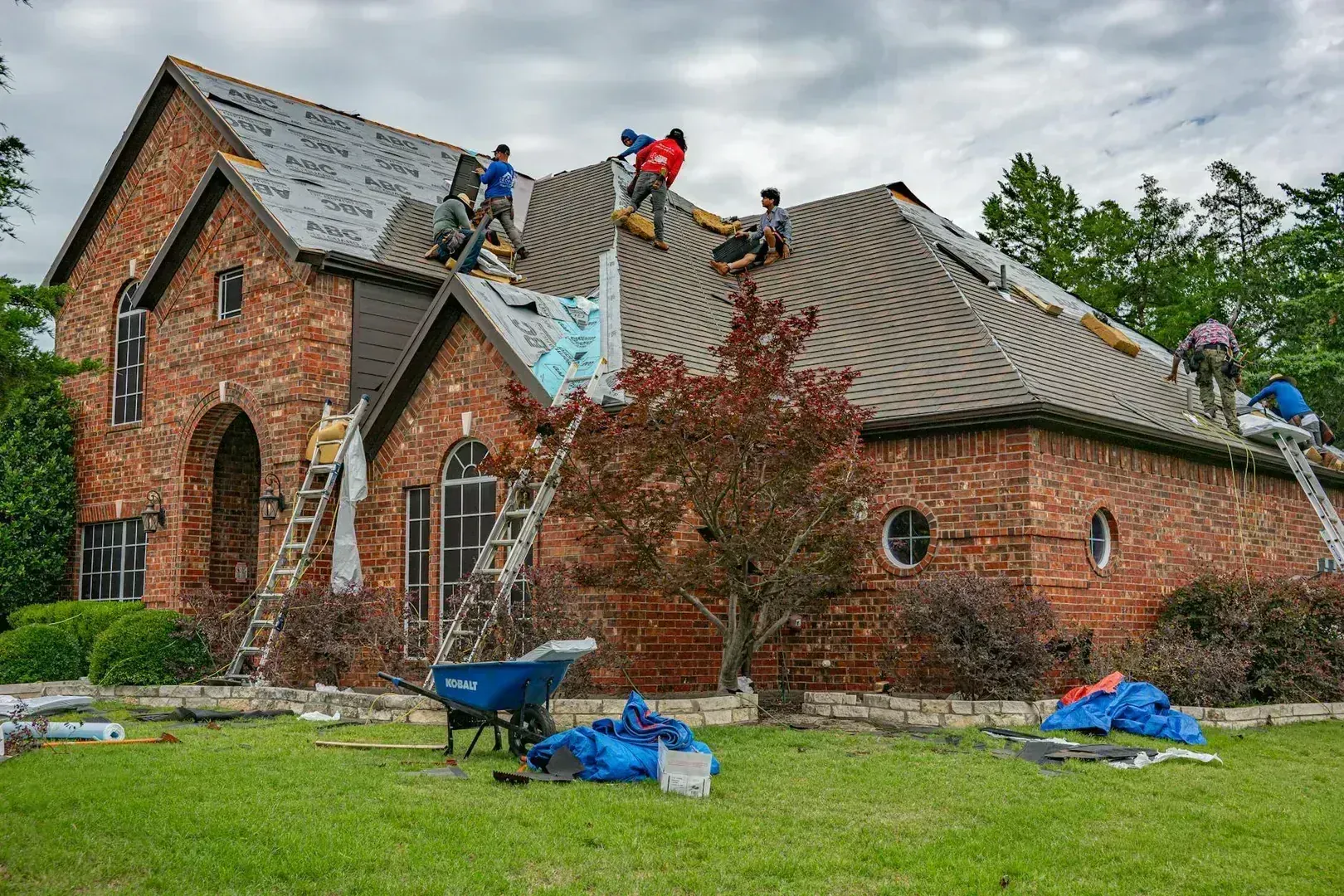
- Tear-off and decking: the crew strips the old covering with roofing shovels and pry bars, loads the debris into the dumpster, and replaces any rotted plywood or OSB sheathing we uncover.
- New system install: ice-and-water shield at the eave and valley, synthetic underlayment across the field, drip edge, step flashing and chimney flashing, then shingles fastened with a nail gun at the right depth and stagger.
- Ridge, vents, and cleanup: we cap the ridge with ridge cap shingles, tie in the ridge vent and soffit vents, reseal the pipe boots, and magnet-sweep the property.
Signs You Need Roof Replacement
Signs Your Roof Is Ready for Replacement
- You keep finding granules in the gutter and downspout after rain, which points to granule loss on aging shingles.
- Shingles are curling, buckling, or missing across whole slopes rather than one wind-torn corner.
- Ceiling stains and a musty attic smell return after patching, which usually means water is wicking through the underlayment.
- Coastal fog leaves the roof wet most mornings, and moss, mold, or dark streaking has spread across the north slope.
- Heavy winter rain from Pacific storms has started seeping around the chimney flashing or a pipe boot.
- A sagging roofline, soft spots underfoot, or daylight in the attic points to rot in the sheathing or framing.
- Repair quotes keep climbing, and the roof shows end-of-life wear across most of the rooftop.
Don't just take our word for it — hear from our satisfied customers.
"We had a stain on the ceiling two winters in a row. Mill Valley Roofing pulled the shingles off the back slope, found rotted sheathing around the chimney, and rebuilt the flashing and underlayment from scratch. No leak since." — Dana R., Homestead Valley
"They tore off three old layers of asphalt shingle we did not know were up there, replaced some plywood decking, and installed architectural shingles with a ridge vent. The crew picked up nails off the driveway every single day." — Marcus T., Strawberry
"Our cedar shake roof was done. They walked us through the estimate line by line, showed us photos of the rot, and registered the warranty for us afterward. Easy to deal with, no pressure at any point." — Priya S., Alto
Ready to get started? Call us today at 6283135855 for a free estimate.
Free estimates · Licensed & Insured certified · up to 50-year warranty
Call 6283135855