Roof Repair in Mill Valley, CA
Mill Valley Roofing stops active leaks before they rot your decking — we trace the water back to where it actually enters, then mend the shingle, flashing, or sealant joint that failed. Call 6283135855 for a free roof inspection and a written, line-item estimate. Most repairs are finished in a single day, and we'll tell you plainly when a patch will hold and when it won't.
Call 6283135855How We Diagnose a Roof Leak Before We Quote
Water rarely enters where the stain shows up inside. It seeps through a fastener hole high on the roof, wicks along the decking, and drips from a joist several feet away.
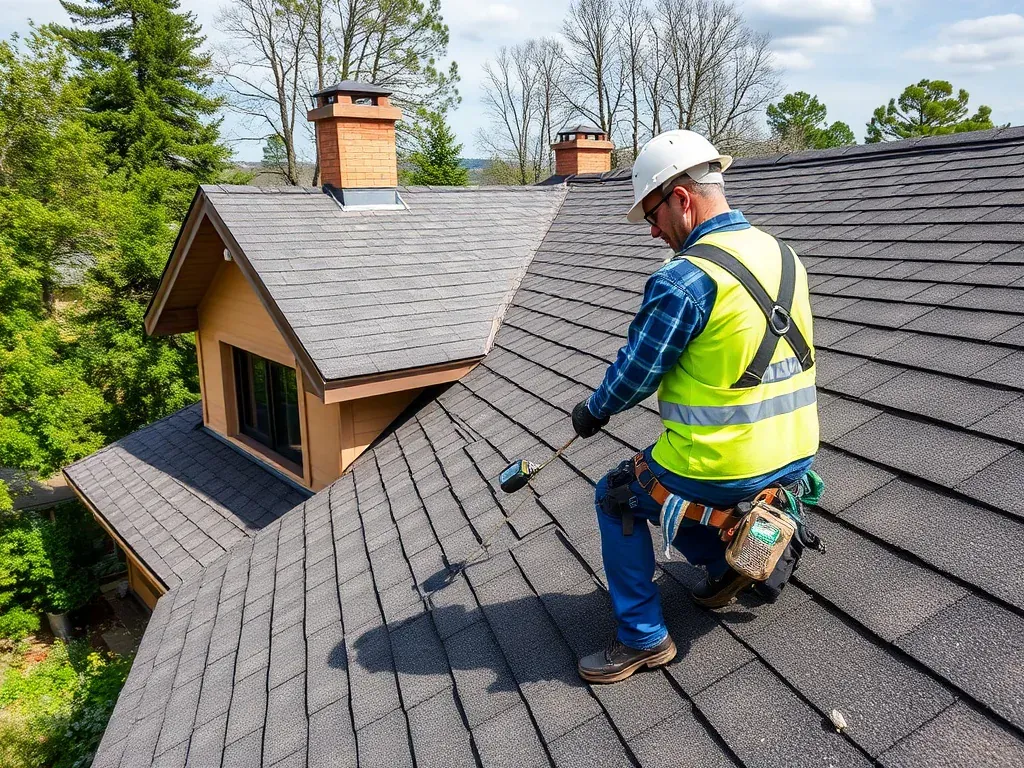
- A rooftop walk checks pitch, granule loss, and end-of-life wear across every field course.
- An attic look at moisture content and stained sheathing tells us how far the water traveled before it dripped.
- A pry bar pressed into soft spots confirms rot in plywood or OSB decking before we quote a number.
- Photos of the flashing condition at each penetration show you exactly what our roofers found.
- A line-item roof estimate separates labor, materials, and anything your insurance scope may cover.
A repair is the right call when the damage is isolated. When we find a systemic leak, widespread cracking, or decking gone soft across a whole plane, you'll hear that from us first.
What Roof Repair Covers on a Typical Roofline
Most jobs are one failed assembly — a single intersection, penetration, or run of shingles — rather than a whole roof. Here is what we normally touch.
- A cracked or missing asphalt shingle is replaced and hand-sealed so the field course runs true.
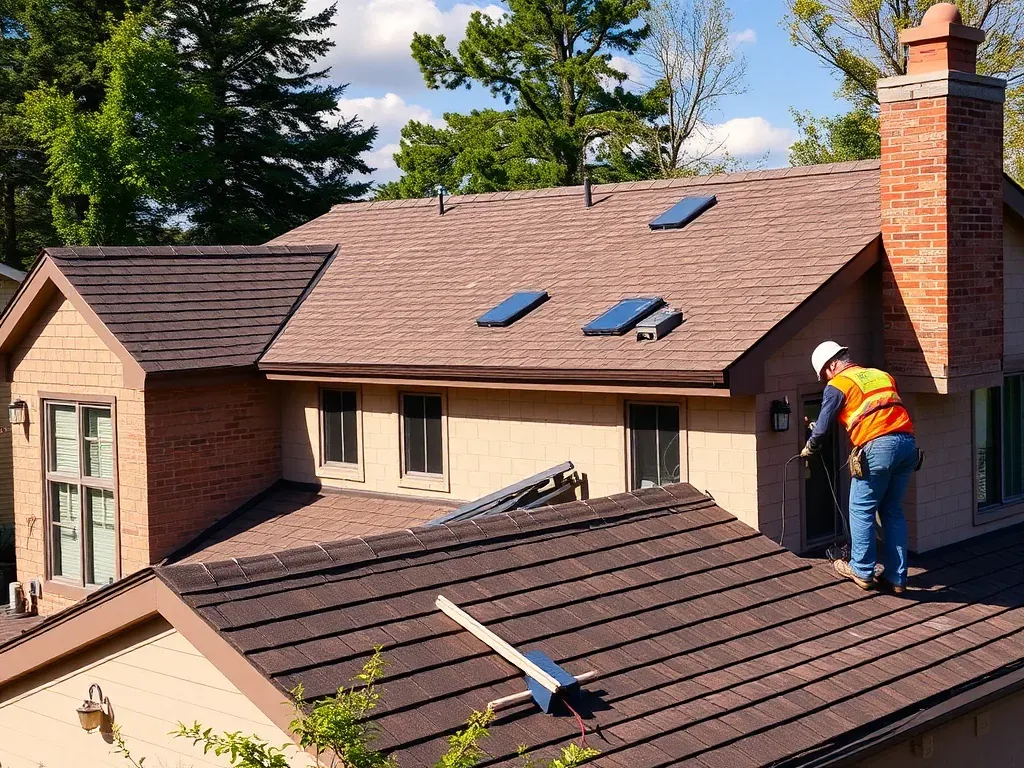
- Step flashing at a sidewall, chimney flashing at the masonry, and counterflashing set into the mortar joint get rebuilt rather than patched.
- Torn roofing felt, tar paper, or synthetic underlayment gets repaired, since that layer is your second line of defense.
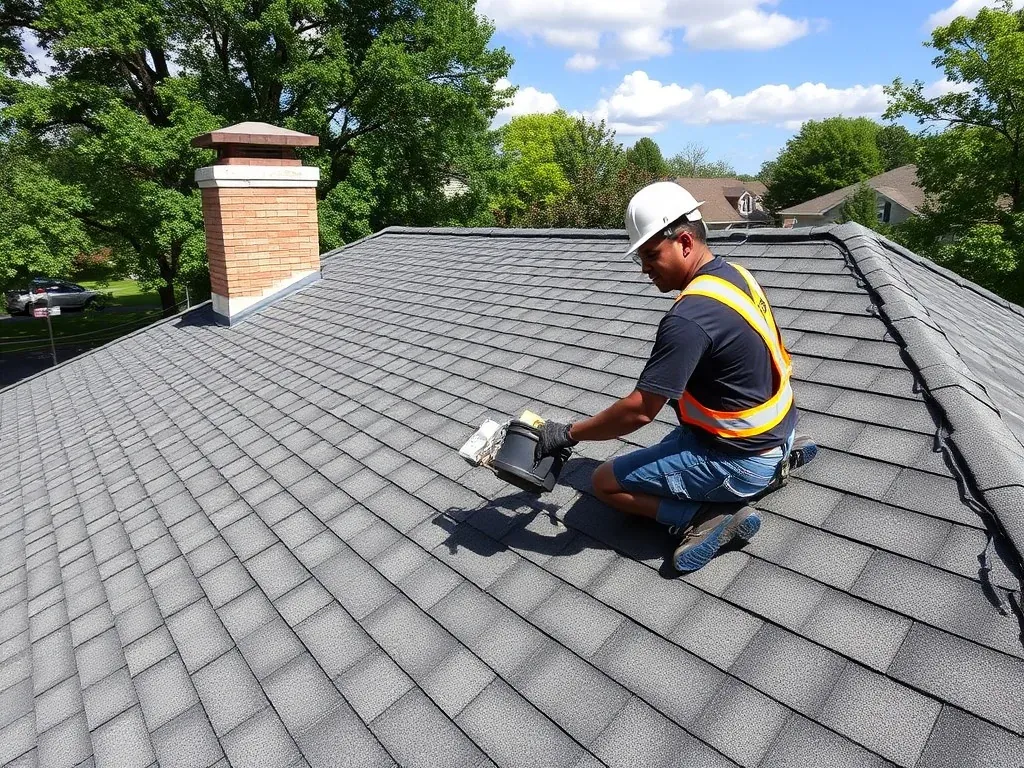
- Failed caulk is cut out and the joint repacked with roof cement or mastic instead of smeared over.
- A pipe boot or vent boot with a cracked rubber collar gets swapped — UV exposure kills those fast.
- Valley, ridge cap, and drip edge are reset, because water moves fastest at those details.
Waterproofing is really a detail problem. Get the flashing, sealant, and fasteners right and the shingle has an easy job.
Materials We Match to Your Existing Roof
Profile and color matching matter more than most homeowners expect. A patch that reads as a patch is fine structurally and ugly for years.
- Asphalt shingle work covers three-tab shingle on older homes and architectural shingle for the thicker, layered profile.
- Wood shake and cedar shake get hand-split replacements sized to your existing exposure.
- Slate, clay tile, and concrete tile repairs mean unhooking intact units and relaying them without breaking the course.
- Metal panel work covers standing-seam panel, corrugated panel, and exposed-fastener systems with new gasketed screws.
- Low-slope sections use membrane products — TPO, EPDM, PVC membrane, modified bitumen, or a built-up roof over a clean substrate.
- Old tar and pitch residues on an existing built-up roof get scraped and primed, never covered over.
- Ice-and-water shield goes at eaves and valleys, where fog and winter rain do the most damage.
We source material from makers like GAF, Owens Corning, and CertainTeed and follow their published specs so the material warranty stays valid. Material coverage is theirs; our workmanship warranty is ours.
What Drives the Cost of the Work
Nobody can price a roof from the driveway, and anyone who does is guessing. These are the variables that move the number.
- Access — a steep pitch, a three-story rake, or a tight side yard means scaffold, ladders, and a harness, which adds hours.
- Material — slate and clay tile cost far more per unit than asphalt, because removal is slow and breakage is easy.
- Decking — replacing plywood or OSB sheathing adds material, labor, and debris volume.
- Flashing scope — rebuilding chimney flashing is a bigger job than re-sealing a boot flashing.
- Obstructions — a skylight, dormer, or parapet slows every step of the work.
- Disposal — a dumpster, tear-off of the failed section, and a magnet sweep for nails.
Free estimates, in writing, before we start. If the fix will cost less than your deductible, we'll tell you to skip the claim.
Storm Damage, Insurance Claims, and Coastal Weather
Fog and morning moisture rolling off Mount Tamalpais keep roofs damp long after sunrise. That damp corrodes fasteners and makes coatings flake and peel years early. Winter storms out of the Pacific drive rain sideways into eaves and rakes.
- Storm damage repair covers wind-lifted shingle tabs, membrane punctured by falling limbs, and gutters torn off the fascia.
- We document the storm date, photograph the damage, and write the estimate in the format an adjuster expects.
- We'll walk the roof with your adjuster and file a supplemental claim when the first scope misses hidden damage.
- Gutter repair and gutter installation move water off the fascia and away from the foundation, and a clogged downspout sends it straight back into the wall.
Ice dams are rare at this elevation, though a warm attic can still build ice at the eave. Ventilation is usually the fix, not a larger gutter.
Ventilation, Energy Efficiency, and Green Options
A roof that cannot breathe cooks itself. Ridge vent working with soffit vent pulls hot air out of the attic, and blocked vents push heat and moisture back into the decking.
- Ridge vent along the peak paired with soffit vent intakes is the combination we install most often.
- An attic fan helps on cathedral ceilings and finished attics with no path for cross-ventilation.
- Insulation and a proper vapor barrier decide whether warm air condenses on the underside of the roof deck.
- Reflective roof coating on low-slope sections lowers attic heat and extends membrane life.
- Reusing intact slate, tile, or metal panel keeps usable material out of the landfill.
Tools and Site Setup: What a Clean Job Looks Like
- Scaffold, or a ladder with a rated anchor and safety harness, goes up before anyone steps on the roof.
- Ring-shank nails bite into older decking where smooth shanks pull loose; gasketed screws seal metal panel.
- Layout with a roofing square, a nail gun fed by an air compressor, a pry bar and roofing shovel for tear-off, and a torch for modified bitumen details.
- Adhesive and coating go on at the correct dry film thickness, not brushed thin to look finished.
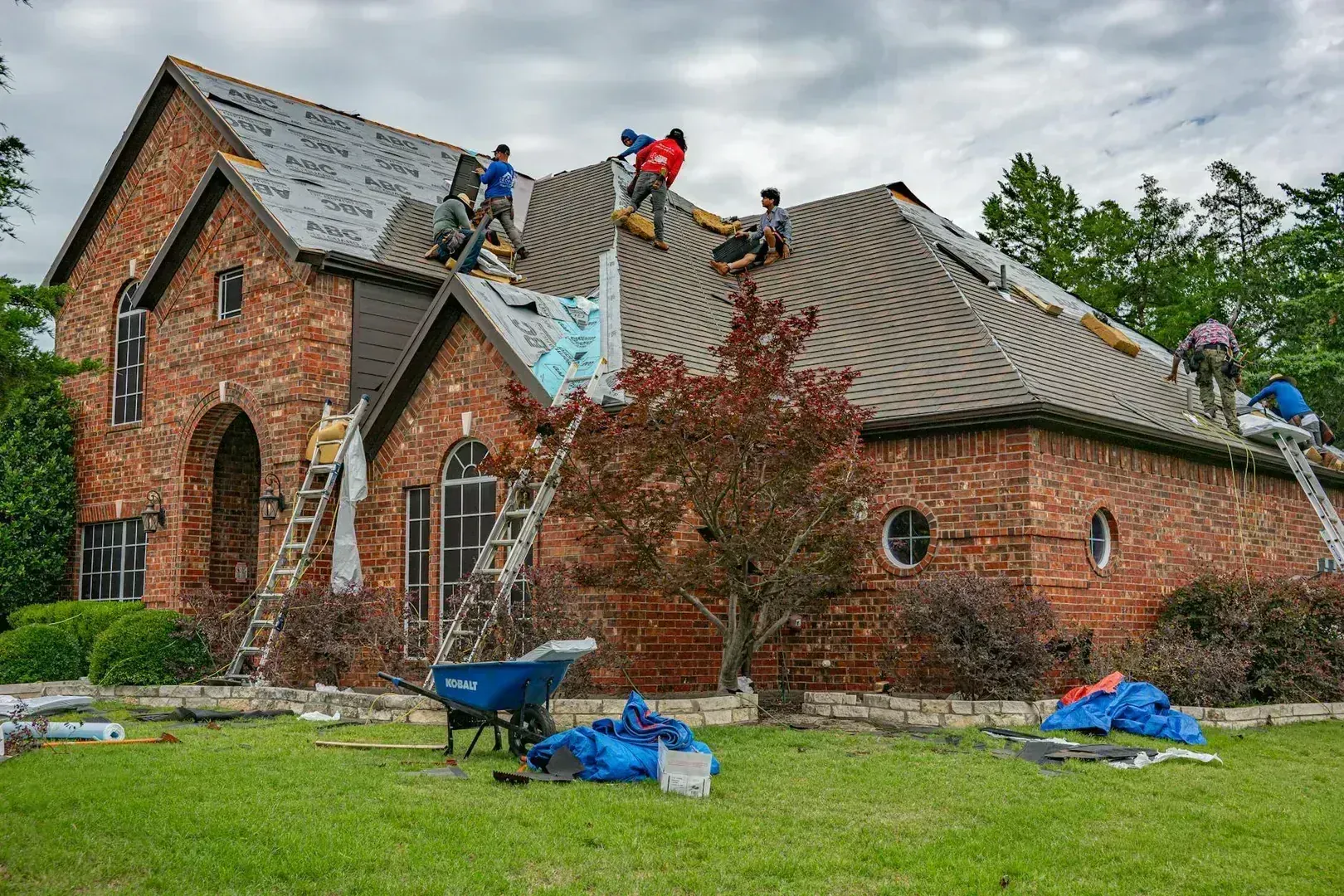
- A dumpster sits in the driveway for debris, and we sweep with a magnet for nails before we leave.
Roof Shapes and the Details That Leak First
- On a hip or gable, the intersections and the verge at the rake take the most wind uplift.
- Mansard and gambrel rooflines stack two planes, and the flashing between them needs batten or counterbatten details kept clear.
- Parapet walls, scuppers, and coping pond water on flat sections, and ponding finds every weak seam.
- A chimney needs apron flashing at the low side, step flashing up the rake, and counterflashing set into the mortar.
- Skylights and dormers need pipe flashing and boot flashing checked each year — sealant there fails before the shingle does.
- Trusses, rafters, joists, and the ridge beam tell us from the attic whether the frame has settled or the roof deck has sagged.
- Purlin and batten framing on older Mill Valley roofs can hide a gap the sheathing has been spanning for years.
- Snow guards are rarely needed here, but roof anchors still matter on steep slate and metal for safe access.
Where the roof overhangs a walkway, we check the canopy and awning anchors too. A rusted anchor bolt is often the real source of the leak.
Frequently Asked Questions About Roof Repair
Is roof repair worth it, or should the roof be replaced?
A repair makes sense when damage is isolated and the rest of the field has life left. If shingles show granule loss everywhere, the underlayment is brittle, or the decking is soft across a plane, replacement is the better spend.
How long does the work take?
Most repairs finish in a single day. Chimney flashing rebuilds, slate and tile work, and anything needing decking replacement can run two or three days, and rain pushes the schedule.
Does roof repair need a permit in Marin County?
Repairs usually do not require a permit, but replacement does, and the local building code governs ventilation and fire rating. We'll tell you what your job needs before we start.
Will new shingles match the old ones?
A close color match is usually possible with three-tab shingle or architectural shingle from GAF, Owens Corning, or CertainTeed. Sun-faded roofs never match exactly, and we set that expectation early.
Do you help with insurance claims?
We do. Storm damage repair often runs through insurance, and we handle the documentation, meet your adjuster, and file supplemental claims when the first scope misses something. We document what's there.
As a Mill Valley roofing contractor, we would rather fix one assembly today than sell you a rooftop you do not need yet. Call 6283135855 for a free estimate and a straight answer.
What's Included
- A full roof inspection of the damaged area plus a look at the surrounding field course and any soft decking.
- Replacement shingles in a matched profile — three-tab, architectural, wood shake, or slate to fit your roof.
- New underlayment, step flashing, counterflashing, drip edge, and ridge cap wherever those details failed.
- Fresh sealant, caulk, roof cement, or mastic at every penetration, pipe boot, and vent boot.
- Fasteners sized for your decking — ring-shank nails and gasketed screws, not whatever happens to be on the truck.
- A written line-item estimate before work starts, with labor and materials separated.
- Site protection, a dumpster for debris, and a magnet sweep for nails before we leave.
- A written workmanship warranty on the repair, plus the manufacturer's own material terms.
Our Roof Repair Process
- Inspection and diagnosis. We walk the rooftop, check the attic, and probe the deck with a pry bar so we know whether rot, decay, or a failed sealant joint is the real source.
- Written estimate. You get a line-item roof estimate naming the materials, the flashing work, and the timeline — no verbal guesses.
- Material match and staging. We bring matching shingles, underlayment, and sealant, then set scaffold or ladders with a rated anchor and harness.
- The repair itself. We tear off the failed section, replace decking and underlayment as needed, refit flashing, and fasten new shingles in staggered courses off a proper starter course.
- Water test and cleanup. We hose-test the repair, load debris into the dumpster, and sweep the driveway for nails.
- Warranty paperwork. You get the workmanship warranty in writing, plus notes on what to watch next season.
Signs You Need Roof Repair
Signs You Need Roof Repair, Not Next Year
- Dark ceiling stains or bubbling paint mean water is already past the underlayment and wicking through the deck.
- Granule loss piled in the gutter signals end-of-life wear on the shingle surface.
- Cracked or missing sealant at a chimney or sidewall lets water behind the step flashing.
- Curling, buckling, or bruised shingle tabs after a winter storm point to wind uplift and trapped moisture.
- Daylight or damp sheathing in the attic means the leak traveled along a rafter before it dripped.
- After heavy Pacific storms, check for debris, a lifted ridge cap, and gutters pulling away from the fascia.
- A spongy spot underfoot on the roof deck usually means rot in the plywood or OSB below.
- Fog-season moss and algae on north-facing slopes hold moisture against the roofing long after the rain stops.
Don't just take our word for it — hear from our satisfied customers.
"We had a stain on the ceiling for two winters and two other companies told us we needed a full replacement. Mill Valley Roofing traced it to failed step flashing at the chimney. They rebuilt the flashing, replaced three shingles, and it hasn't dripped since."
Dana R., Homestead Valley
"A limb punched through over the winter storms and they were out the next morning with a tarp, then back with matching shingles the following week. They walked my husband through the adjuster paperwork line by line. Honest crew."
Priya S., Strawberry
"Fog keeps our north slope wet most of the year, and we had moss plus a soft spot near the valley. They replaced the decking, reset the drip edge, and swept the driveway for nails before they left. The estimate matched the invoice."
Miguel A., Cascade
Ready to get started? Call us today at 6283135855 for a free estimate.
Free estimates · Licensed & Insured certified · up to 50-year warranty
Call 6283135855