Roof Inspection in Mill Valley, CA
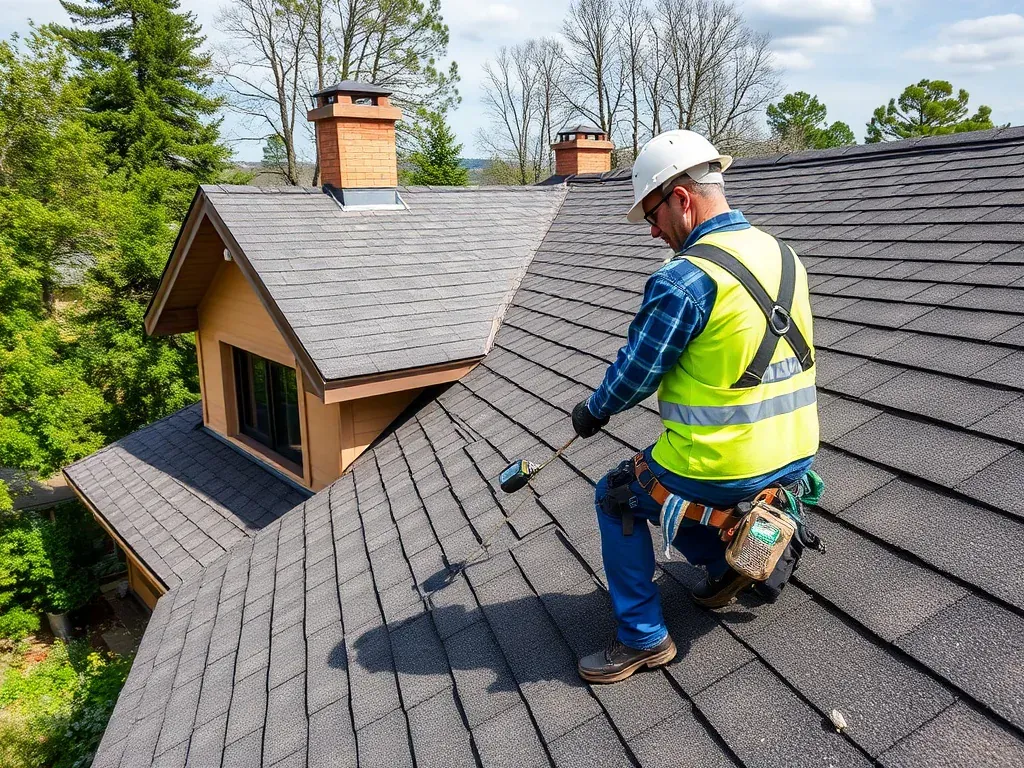
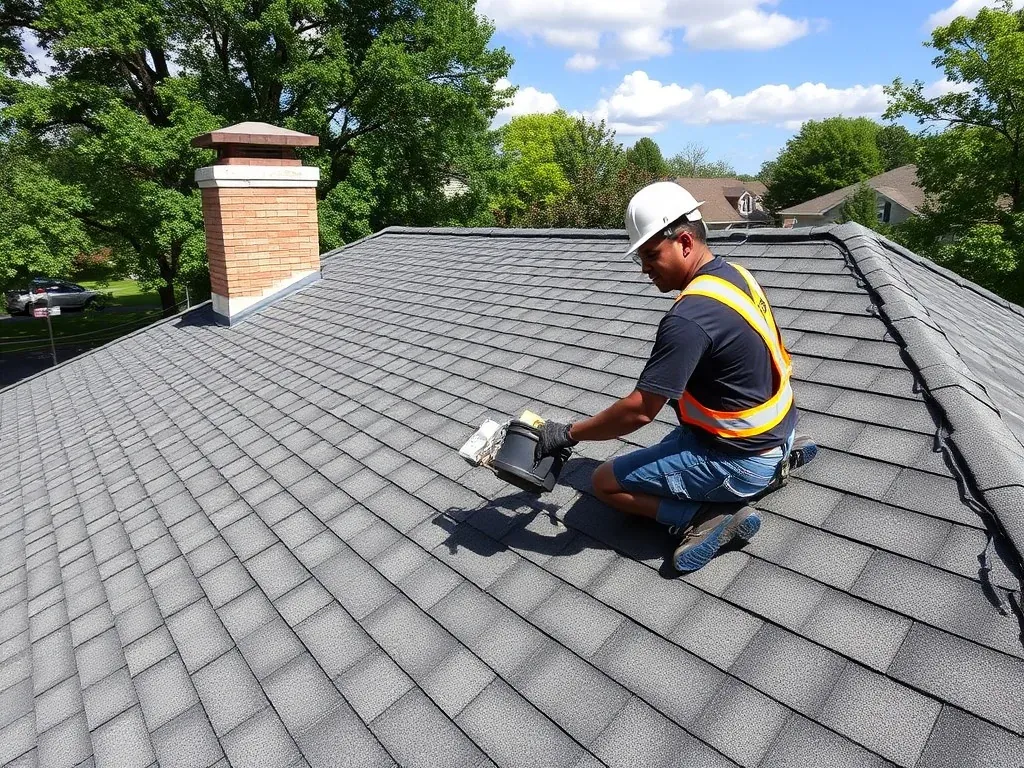
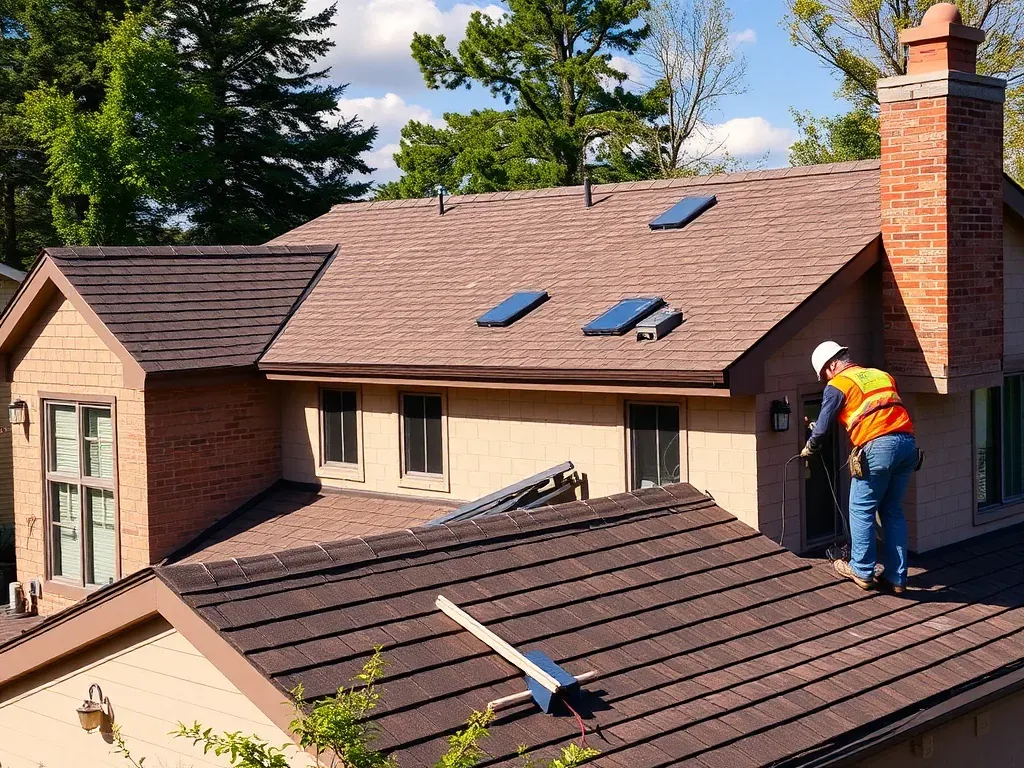
Mill Valley Roofing walks your roofline from the ridge to the drip edge and hands you a written report with photos, so you know what is failing before water finds your ceiling. We check flashing, shingle field, underlayment, and attic ventilation on the same visit rather than three separate trips. Call 6283135855 to schedule a roof inspection.
Call 6283135855What a Roof Inspection Actually Covers
A roof inspection is a top-to-bottom audit of every layer keeping water out of your house. We start at the ridge cap, work the field course down to the drip edge, then climb into the attic where the real clues usually hide.
- The shingle field gets walked for granule loss, curling, bruising, and missing tabs, plus how much asphalt surface has weathered away.
- Flashing gets checked at every penetration: chimney flashing, step flashing at sidewalls, counter-flashing, pipe flashing, the pipe boot and boot flashing, and apron flashing where a lower roof dies into a wall.
- Underlayment and substrate come next, starting with the self-adhered ice-and-water shield at the eave and valley that stops ice dam backup, then sounding the roof deck, decking, and plywood or OSB sheathing for soft spots.
- Ventilation is measured, not guessed: ridge vent and soffit vent area, attic fan operation, insulation depth, and whether a vapor barrier is still intact.
- Water management covers gutters, downspout flow, drip edge at the eave and rake, fascia, and soffit, because a backfilled gutter pushes water behind the eave on every storm.
- Anything touching building code, from ventilation ratios to flashing height, gets flagged separately so you know what a future inspection will catch.
Tools and Methods Behind Our Findings
We do not diagnose a roof from the driveway. The right tools turn an opinion into evidence, and everything ends up in a written report with photos you can hand to a buyer, an insurer, or another roofer later.
- Drone imagery covers steep pitch sections and second stories, so nothing gets skipped because it looks hard to reach.
- A moisture meter reads framing, sheathing, and chimney masonry to confirm water that has already seeped in.
- An infrared scan of ceilings and attic decking shows cool, wet patches that still look fine to the eye.
- A written report pairs photos with measurements and sorts findings into fix now, watch, and fine.
- Ladder access, a safety harness, and solid anchor points keep our crew safe where scaffold or rope work is needed.
When a claim needs an insurance-grade second opinion, HAAG- and IICRC-certified inspectors are the standard, and we will say honestly when your situation warrants one.
Roof Types and Materials We Inspect
Coverings fail in different ways, so the checklist changes with what is overhead. Here is the range we see across the Marin hills.
- Asphalt shingle, both architectural shingle and three-tab shingle, shows granule loss first and cracking along the field course after that.
- Wood shake and cedar shake wick moisture, split, and rot along the batten and counterbatten lines long before the surface looks bad.
- Slate, clay tile, and concrete tile outlast their fasteners, so these roofs usually need flashing and underlayment work while the tile is still sound.
- Metal panel, standing-seam panel, and corrugated panel fail at the washers and screws, which back out with thermal movement along each purlin line.
- Low-slope sections, whether TPO, EPDM, PVC membrane, built-up roof, or modified bitumen, get checked for ponding, scupper drainage, and seam separation.
- Older assemblies on tar, pitch, roofing felt, or tar paper still sit under plenty of local homes and need a different read.
- Modern layers count too, so we check synthetic underlayment laps and the adhesive seal on any self-adhered membrane.
If energy efficiency is the goal, we will flag where a cool-rated shingle, extra attic insulation, or a small green roofing section would actually pay back. Roof coating on a tired flat roof is worth pricing before full replacement.
Warning Signs You Need an Inspection Soon
Coastal fog and morning moisture never fully dry a roof between storms here, and winter atmospheric rivers test every seam. Most failures whisper before they reach a ceiling.
- Dark staining on the underside of sheathing, or rust on a joist, rafter, or truss that should be dry.
- Attic mold, a musty smell, or insulation that has settled flat inside the joist bays.
- Daylight through the roof deck, or a ridge beam that has started to sag and settle.
- Curling, flaking, or peeling shingles across the field, hip, and ridge, with granules collecting in the gutters.
- Stains that seep and spread after a storm instead of drying out within a day.
- Masonry that spalls at the chimney, or caulk and sealant cracked at the coping and parapet.
- Patches of mastic or roof cement that have dried, cracked, and started to lift.
- Staining at a gable end, or an overhang and verge detail that tracks water behind the drip edge.
Waterproofing and weatherproofing details at penetrations cause most of the leaks we find, not the shingles in the middle of the roof.
What a Roof Inspection Costs in Mill Valley
Pricing moves with square footage, roof pitch, and how many levels we work around. A walkable single-story home sits at the low end; a steep, multi-level roof with a full attic scan sits at the high end.
- Pitch and access, since a 10/12 over a canyon needs a harness and takes longer than a walkable 5/12.
- Square footage and complexity, including dormers, skylights, and chimney chases.
- Add-ons like drone imagery, a moisture meter survey, or an infrared scan.
- The reason for the visit: pre-purchase, post-storm insurance claim, or annual maintenance check.
- Drive time to outlying properties near Mount Tamalpais and the Golden Gate National Recreation Area.
You get a written roof estimate before anyone climbs, and if repairs move forward we credit the inspection toward the work. If you are getting quotes from roofers near you, ask each roofing contractor to put findings in writing.
Our Inspection Process, Step by Step
- We take your call, ask about leaks and storm dates, and note any real estate deadline on the calendar.
- On arrival we set ladders, check anchor points, and walk the perimeter and roofline for debris and gutter overflow.
- The rooftop survey moves from field course up to the ridge cap, then through every flashing detail and the valley.
- Inside, we check attic decking, substrate, insulation, and ventilation, then look for staining on ceilings and joists.
- We document with photos, moisture meter readings, and an infrared scan anywhere water is suspected.
- You receive a written report and roof estimate, sorted into fix now, watch, and fine, with line-item pricing.
Expect one to two hours for a typical home, longer when we are documenting a storm damage claim for insurance.
Insurance Claims, Warranty, and What Comes Next
Storm damage claims rise or fall on paperwork. We photograph everything, record the storm date, and build a line-item estimate that matches the insurance scope an adjuster writes.
- We meet the adjuster inspection on the roof so the first pass does not miss flashing or decking.
- If the approved scope comes up short, we file a supplemental claim with measurements attached.
- We help you track the claim deadline and the proof of loss form so a reserve release does not stall.
- Repairs carry our workmanship warranty, and manufacturer coverage on new materials passes to you in writing.
- We are licensed & insured, and we will say plainly when maintenance beats a full roof replacement.
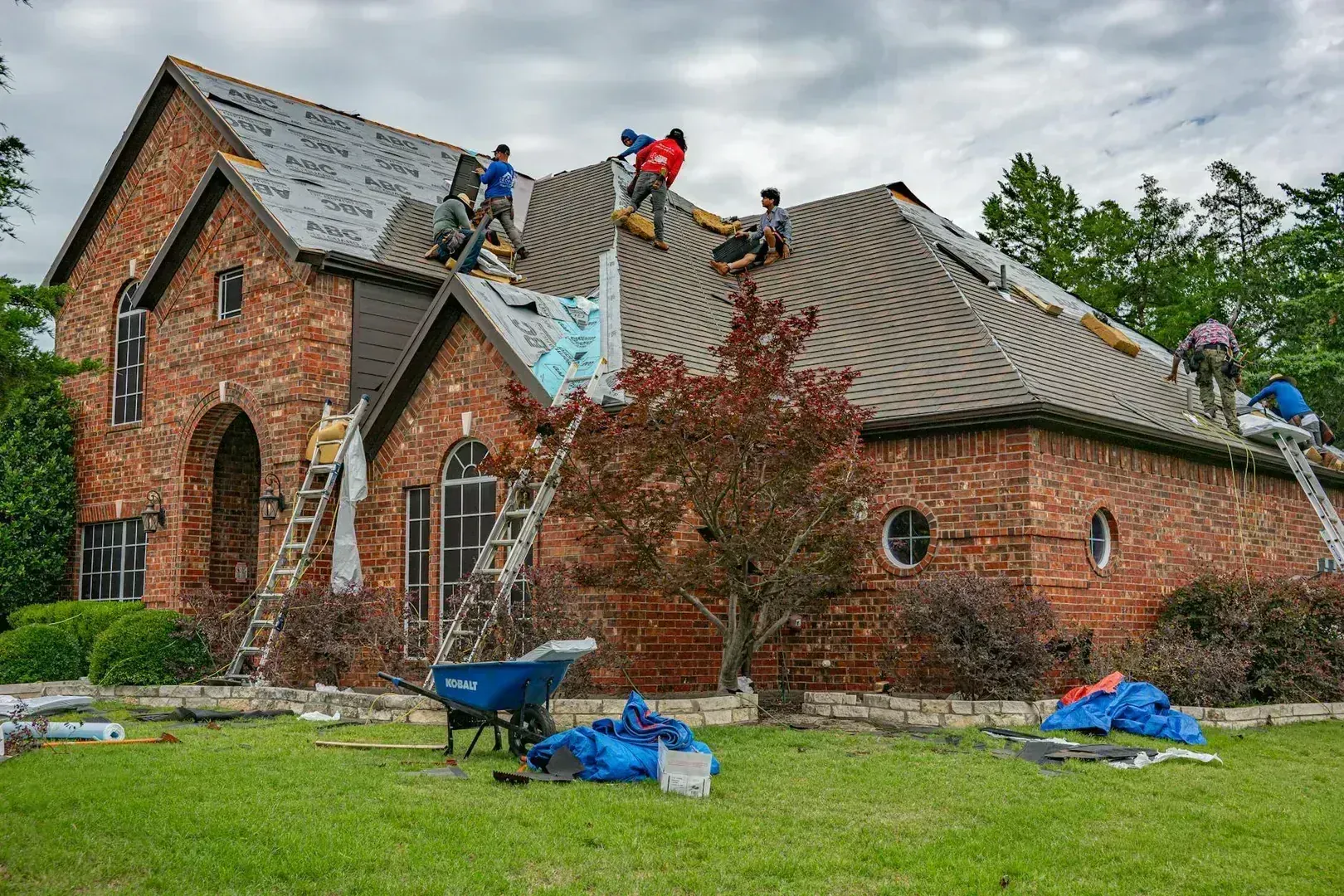
If repairs follow, a pry bar and roofing shovel handle tear-off of damaged shingle and underlayment. We run a nail gun off an air compressor for consistent fastener depth, set ring-shank nails rather than hammering by hand, torch or roll a self-adhered membrane at the valley, and stage a dumpster so debris leaves the same day.
Questions Homeowners Ask Us
How often should a roof inspection happen?
A roof inspection should happen once a year and after any storm with real wind or hail. Fog and winter rain wear a roof faster than sun alone, so annual maintenance catches small flashing and sealant failures before they reach your ceiling.
Does the inspection include the attic and the gutters?
A roof inspection includes the attic and the gutters, not just the shingles. We check insulation, ventilation, decking, trusses, and the fascia behind the gutter, since that is where water damage usually starts on homes in this climate.
Can you inspect a house before we buy it?
A roof inspection before a purchase gives you a written report with photos and remaining-life estimates. It is an unbiased record for negotiations, and we will not pitch a roof replacement during a pre-purchase inspection.
What does a roof estimate include?
A roof estimate separates materials, labor, tear-off or recover, permits, and disposal into line items. Ours names the shingle or membrane product, the underlayment type, and prices decking by the sheet and by the roofing square.
Do you inspect metal, slate, or cedar shake roofs?
A roof inspection covers metal panel and standing-seam sections, slate and clay tile, and wood shake or cedar shake. We will also look at a mansard or gambrel section, where the lower slope hides decking plus canopy or awning attachments that need flashing checks.
Can an inspection turn into emergency roof repair?
A roof inspection sometimes turns into emergency roof repair the same day. If we find an active leak, we tarp and stabilize it, then write up the permanent fix with a roof estimate so you can decide with real numbers in front of you.
Roof maintenance always costs less than roof repair, and that is the whole point of an annual visit. We are a residential roofing company, so our local expertise sits with the fog, the winter storms, and the tree cover on this side of the county.
Sustainability in roofing usually means repairing rather than replacing, so we will tell you when a recoat or a partial repair is genuinely the smarter call. We keep our service areas tight on purpose, which means we can get back to your roof if something needs a second look.
What's Included
- A full rooftop walk of the shingle field, flashing, and ridge cap, with drone imagery for anything too steep to stand on.
- An attic check of decking, sheathing, insulation, ventilation, and vapor barrier, using a moisture meter wherever staining shows up.
- An infrared scan of ceilings and attic decking to catch water that has not surfaced yet.
- A gutter, downspout, fascia, and soffit review, since water management is half of what keeps a roofline dry.
- A written report with photos, findings sorted by urgency, and plain-language notes on remaining roof life.
- A line-item roof estimate for any recommended repair, priced by roofing square and by decking sheet where replacement is needed.
- Anything touching building code, from ventilation ratios to drip edge and flashing height, flagged separately so you know what a future inspection will catch.
- Free estimate and an honest note when the answer is maintenance rather than a new roof.
Our Roof Inspection Process
- Call and schedule. Ring 6283135855 and tell us what you have seen: a stain, a storm date, a house you are about to buy. We block one to two hours so nobody is rushed off the roof.
- Site walk. We place ladders, clip in a safety harness, photograph the perimeter, and check gutters, fascia, and the roofline before anything else.
- Rooftop survey. Shingle by shingle along the field course, then every flashing detail, the valley, the ridge cap, and the roof deck wherever the surface feels soft.
- Attic and interior. A moisture meter on decking and joists, an infrared scan of ceilings, and a look at insulation, ventilation, and any vapor barrier.
- Written report. Photos, measurements, and a summary sorted into fix now, watch, and fine, with remaining-life notes you can hand to a buyer or an insurer.
- Roof estimate and cleanup. Line-item pricing for anything we recommend, and if a repair follows, a dumpster on site and all debris hauled off the same day.
Signs You Need Roof Inspection
Signs You Need a Roof Inspection
- Dark streaks on the underside of sheathing after a string of foggy mornings, which means moisture is wicking in and not drying out.
- Granules washing into the gutter or pooling at the downspout, a sign of granule loss on the shingle surface.
- Brown ceiling stains that reappear every time Pacific storms roll through in winter, telling you the flashing has failed rather than the field.
- Curling, flaking, or peeling shingles along the rake, eave, or hip, often the first visible stage of end-of-life wear.
- Rust or dark staining on a joist, rafter, or truss in the attic, where rot and decay start quietly behind the insulation.
- Mold, a musty smell, or insulation that has settled flat and stopped doing its job.
- A ridge beam that has started to sag or settle, or daylight showing through the roof deck.
- Masonry that spalls at the chimney, or caulk and roof cement that has cracked at the coping and parapet.
Don't just take our word for it — hear from our satisfied customers.
We were days from closing on a house in Alto when Mill Valley Roofing did the inspection. They found a valley that had been patched with roof cement over rotted decking and photographed all of it. The written report was specific enough that our agent used it in negotiations.
Dana R., Alto
Fog had been wicking into our attic for months and I assumed we needed a new roof. The infrared scan showed the water was coming from one failed vent boot. They fixed that, resealed two pipe boots, and left the rest alone.
Miguel S., Cascade
Our cedar shake roof is old and I braced for a replacement quote. Instead we got a written report, a maintenance list, and a roof estimate only for the chimney flashing and gutter work. That is why we keep calling them.
Priya N., Strawberry
Ready to get started? Call us today at 6283135855 for a free estimate.
Free estimates · Licensed & Insured certified · up to 50-year warranty
Call 6283135855